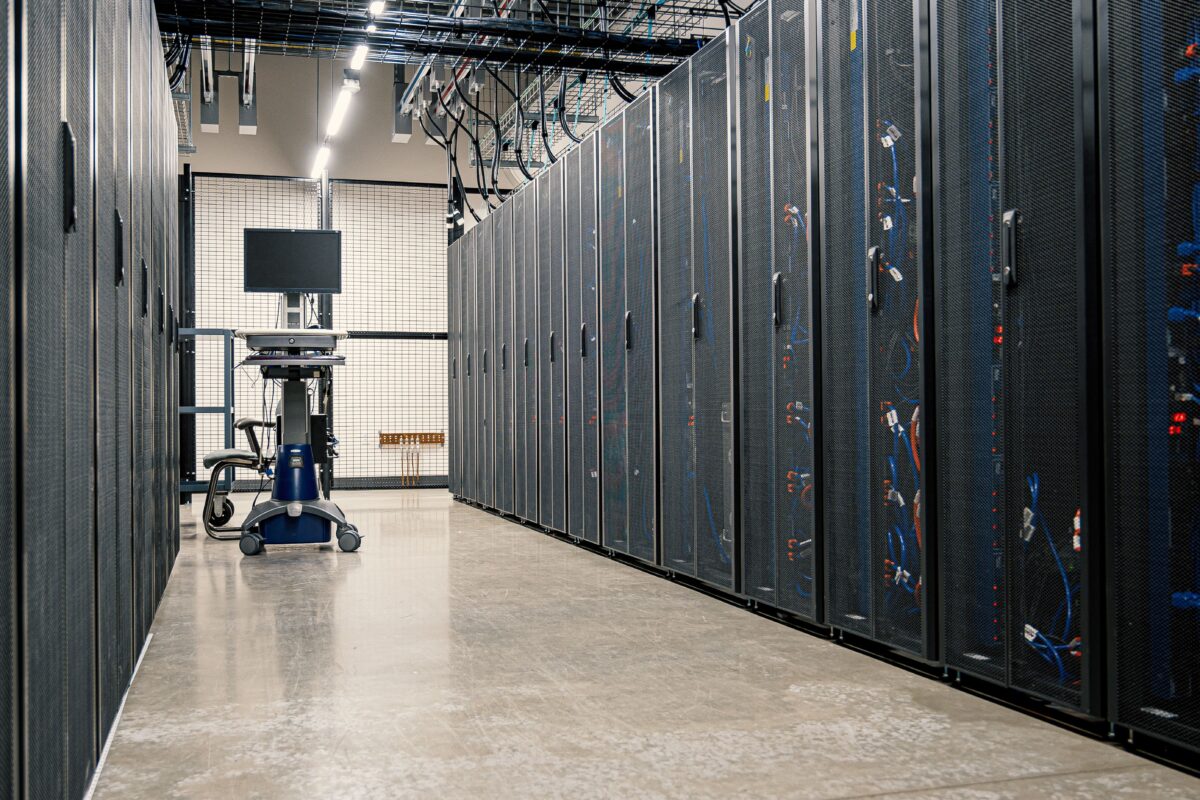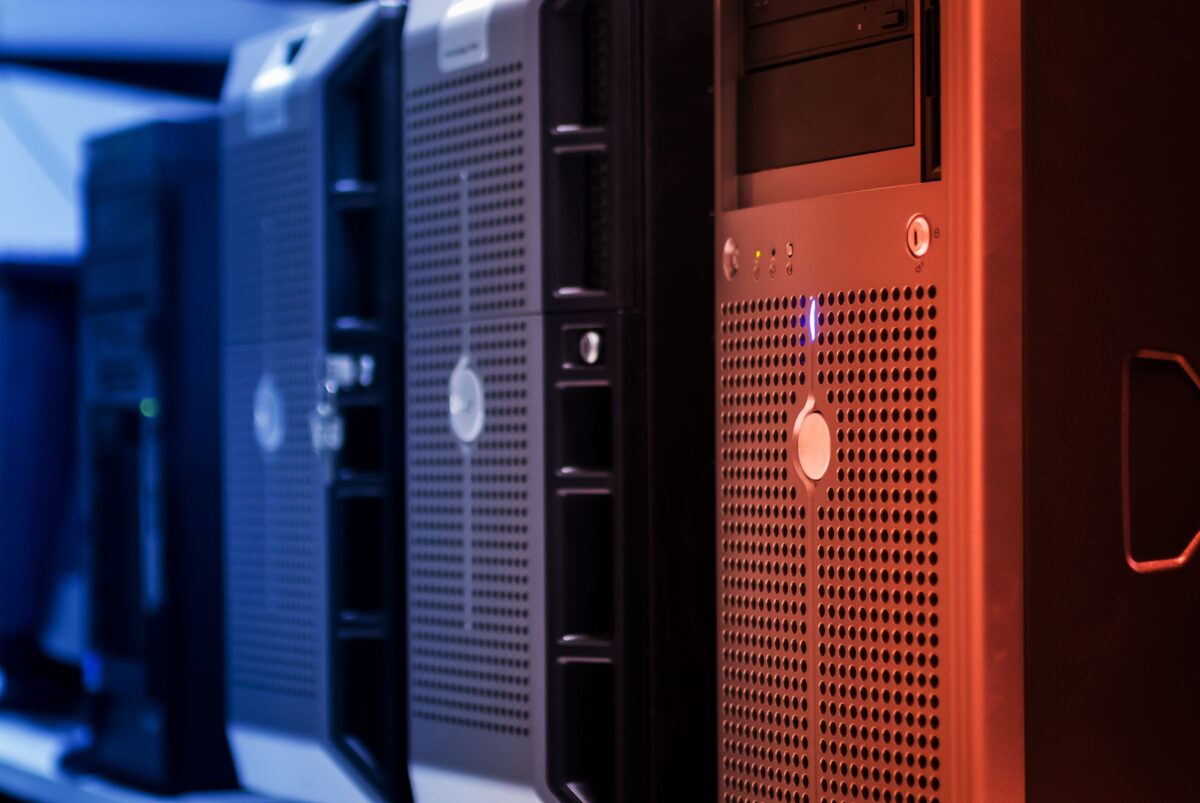
A decade ago, data centers were a rounding error in most countries’ electricity plans. Today, utilities, regulators, and tech companies are all asking the same question: where will the power for AI come from? The answer starts with a simple fact. AI workloads use far more electricity per rack, run around the clock, and are being built at a pace that grids were never designed for. For more on the hardware driving this demand, see our AI chip and data center coverage.
Why AI uses so much more electricity
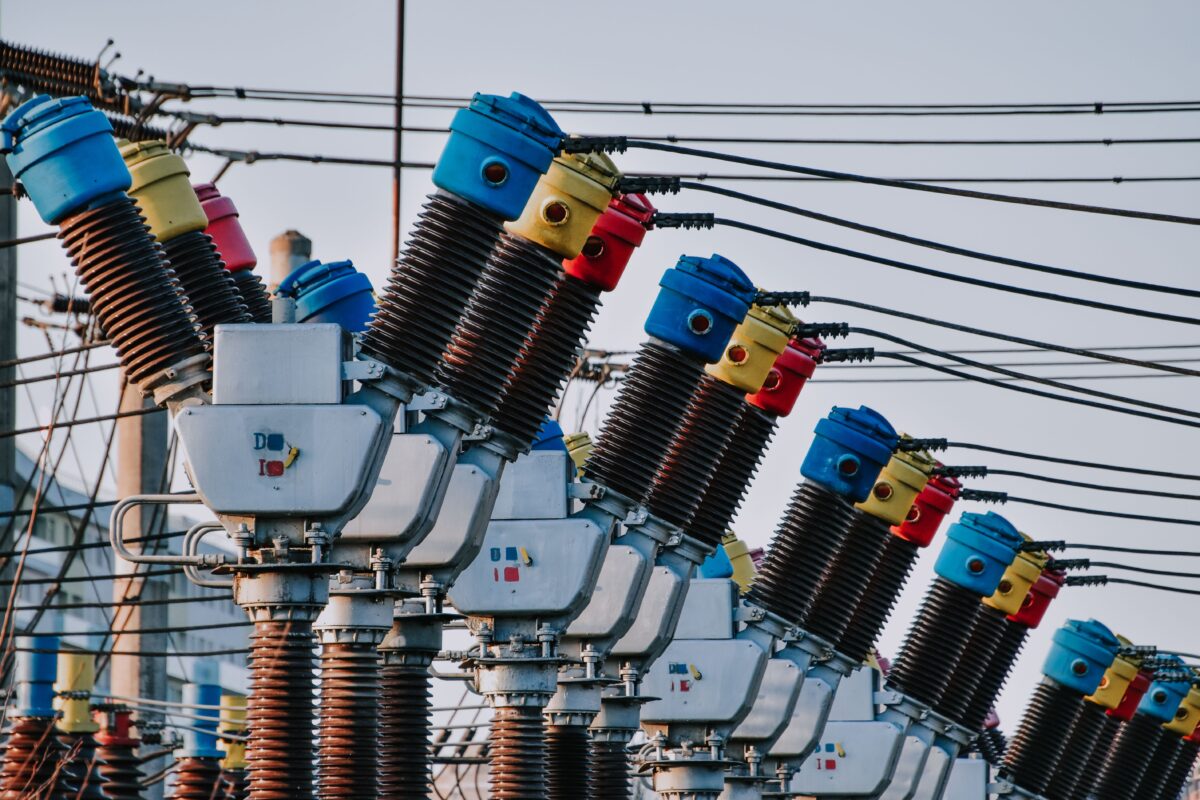
There are three reasons AI facilities draw so much more power than traditional ones.
First, the chips are hungrier. AI accelerators are packed tightly so they can share data at high speed, which concentrates power in small spaces. We covered the numbers in why AI is changing the design of data centers: racks that once drew a few kilowatts now draw tens or even hundreds, and some of the newest systems are projected to reach around 246kW per rack.
Second, the scale is larger. Brookings, summarizing the International Energy Agency’s findings, notes that a typical data center can use as much electricity as 100,000 households, while the largest campuses now under construction will need about 20 times that.
Third, the load never rests. Training runs continue for weeks, and AI inference serves users around the clock. The IEA’s modeling shows that electricity use by AI servers, mostly for inference, is projected to grow about 30 percent a year, accounting for almost half of the net increase in data center consumption between 2024 and 2030.
How big is the increase?
The IEA’s base case sees global data center electricity consumption more than doubling to around 945 TWh by 2030, slightly more than Japan uses today, and rising to roughly 1,200 TWh by 2035. In the United States, data centers account for nearly half of the growth in electricity demand through 2030.
The trend is already showing. A newer IEA report found that data center electricity use rose 17 percent in 2025, far outpacing the 3 percent growth in overall global demand, with AI-focused facilities expected to triple their consumption by 2030.
It’s worth keeping the numbers in perspective. The IEA’s executive summary says data centers account for around one-tenth of global electricity demand growth to 2030, less than industrial motors, air conditioning, or electric vehicles. The pressure is not global averages; it is concentration. Data centers cluster in a few regions, so their share of local demand can be overwhelming, reaching about 42 percent in Frankfurt and nearly 80 percent in Dublin.
The grid can’t keep up
The bigger problem is speed. Data centers can be built in a couple of years, but power infrastructure takes much longer. According to Enverus, grid interconnection waits now stretch five years or more in constrained markets, with queue-to-operation timelines up roughly 60 percent since 2017 and only about 10 percent of queued capacity expected to actually get built.
The IEA has warned that 20 percent of planned data center projects could face delays if grid bottlenecks aren’t addressed. In its view, the problem is physical and regulatory at the same time: transmission lines, transformers, turbines, permits, and skilled labor are all in short supply. Enverus makes the point bluntly, saying that power is now the primary constraint on data center development, ahead of land, capital, or compute.
How the industry is responding
Building their own power. Developers are increasingly bringing their own generation. Enverus is tracking more than 40 GW of announced behind-the-meter and co-located generation, with natural gas accounting for more than 10 GW of it. A securities filing from engine maker INNIO, citing a Department of Energy report, projects that behind-the-meter and hybrid solutions could grow from 10 to 20 percent of incremental data center power demand in 2025 to 50 to 60 percent by 2030. One example is xAI’s Memphis-area Colossus campus, which Cleanview counts at 1,498 MW of operating gas turbine capacity.
Nuclear. Meta, Amazon, Google, and Microsoft have together signed more than 10 GW of nuclear power purchase agreements, including deals with existing plant owners and small modular reactor developers. Nuclear offers steady baseload power, though new reactors take years to arrive.
Renewables and storage. The IEA expects renewables, supported by storage and the wider grid, to meet half of the global growth in data center demand, with natural gas expanding by 175 TWh, mostly in the United States.
Better chips. Custom silicon helps too. Our pieces on Google’s TPUs and Microsoft’s Maia chips both highlight performance per watt as a core design goal. The IEA notes that power use per AI task is falling rapidly, but total demand keeps rising because usage is growing faster than efficiency improves.
The trade-offs
The scramble for power creates real tensions. Gas turbines raise emissions questions, and permitting can slow projects down: Cleanview reports that a planned 400 MW on-site gas plant for a Microsoft partner in New Jersey has struggled to obtain an air permit. Large loads can also strain local grids, and communities are asking who pays for the upgrades. And if AI demand grows more slowly than expected, utilities and developers could be left with expensive, underused assets. The IEA itself flags wide uncertainty, with its 2035 range spanning from 700 to 1,700 TWh.
The bigger picture
AI data centers need much more power because the technology concentrates huge computing loads into small spaces and runs them continuously, at a scale that is growing faster than the grid can adapt. The result is that power has become the real strategic resource of the AI era: companies that secure it quickly can scale, and those that can’t have to wait. That’s also why hyperscalers like Meta are committing to gigawatt-scale campuses and building their own energy supply. Follow our AI infrastructure coverage as this story develops.
SiliconeUpdate.com is a technology news platform that publishes updates and informational content related to silicon technology, software, artificial intelligence, and emerging technologies.
All articles published on this platform are attributed to SiliconeUpdate.com instead of individual authors. Content is presented in a neutral, informational format without personal opinions.
—
Content Publishing
SiliconeUpdate.com publishes news and updates based on publicly available information, official announcements, and industry developments. The focus is on clarity, relevance, and timely reporting.
—
Editorial Control
All editorial decisions, updates, and content management are handled at the platform level. No individual human or AI identity is presented as the author of articles.
—
Contact
For editorial communication or general queries, contact:
Email: neemasharma@gmail.com