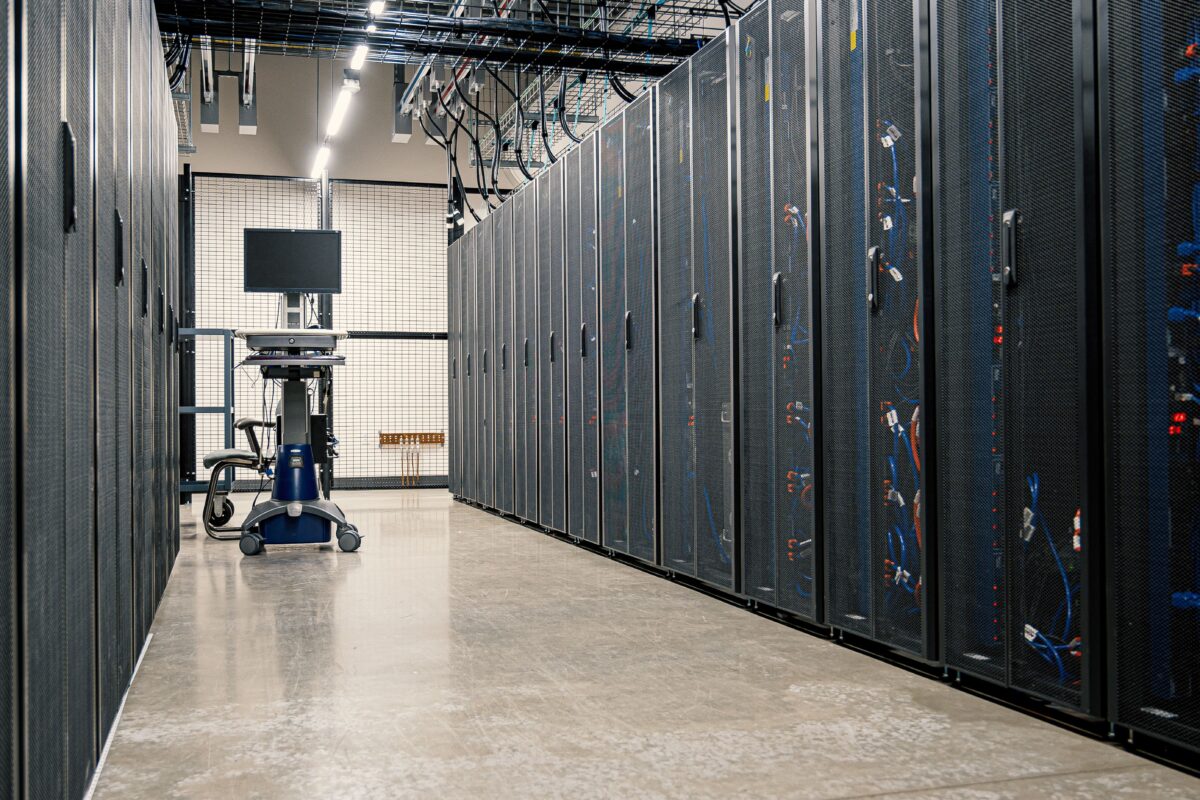
Google is making a substantial investment in India’s digital infrastructure, specifically through the development of a major data center hub. While the concept of a single, isolated data center might come to mind, Google’s approach involves a large-scale, multi-campus project designed to support advanced computing needs, particularly in artificial intelligence.
The Visakhapatnam AI Hub
Google has officially broken ground on a significant data center project in Visakhapatnam, Andhra Pradesh, India. This initiative is not a single facility but rather a sprawling development across three distinct campuses. This integrated approach allows for greater scalability and redundancy, essential for handling vast amounts of data and computational tasks.
The Visakhapatnam project is specifically designed as an AI data center. This designation highlights its primary purpose: to power artificial intelligence operations and services. It is slated to become Google’s largest AI hub located outside of the United States, underscoring its global strategic importance.
Scale of Investment and Capacity
The financial commitment to this project is substantial, with Google planning an investment of $15 billion. This significant capital outlay reflects the long-term strategic value Google places on its operations in India and the broader Asia-Pacific region.
In terms of operational capability, the data center hub is planned with a massive 1-gigawatt (GW) capacity. To put this into perspective, India’s entire operational data center capacity nationwide was approximately 1.75 GW at the end of the first half of 2026. Google’s single project will contribute a substantial portion to this national capacity, significantly enhancing the country’s digital backbone.
Understanding Data Centers
A data center is a dedicated facility housing computer systems and associated components, such as telecommunications and storage systems. These facilities are critical for storing, processing, and disseminating large volumes of data, enabling the internet services and applications we use daily.
What is a Data Center?
At its core, a data center provides a secure and controlled environment for IT operations. This includes robust power infrastructure, advanced cooling systems, and high-speed network connectivity. The reliability and performance of online services, from search engines to cloud computing platforms, directly depend on the efficiency and resilience of these centers.
Traditional data centers support a wide array of services, including web hosting, enterprise applications, and cloud storage. They are the physical backbone of the digital economy, ensuring continuous access to information and services.
Role of AI Data Centers
AI data centers represent a specialized evolution of traditional data centers. They are optimized for the intensive computational demands of artificial intelligence workloads, such as machine learning training and inference. This optimization often involves specialized hardware, like Graphics Processing Units (GPUs), and advanced cooling solutions to manage the heat generated by these powerful systems.
The Visakhapatnam hub’s focus on AI signifies Google’s commitment to advancing AI capabilities globally. By establishing such a large-scale AI-focused facility in India, Google aims to enhance the performance and accessibility of its AI-driven products and services for users in the region and beyond.
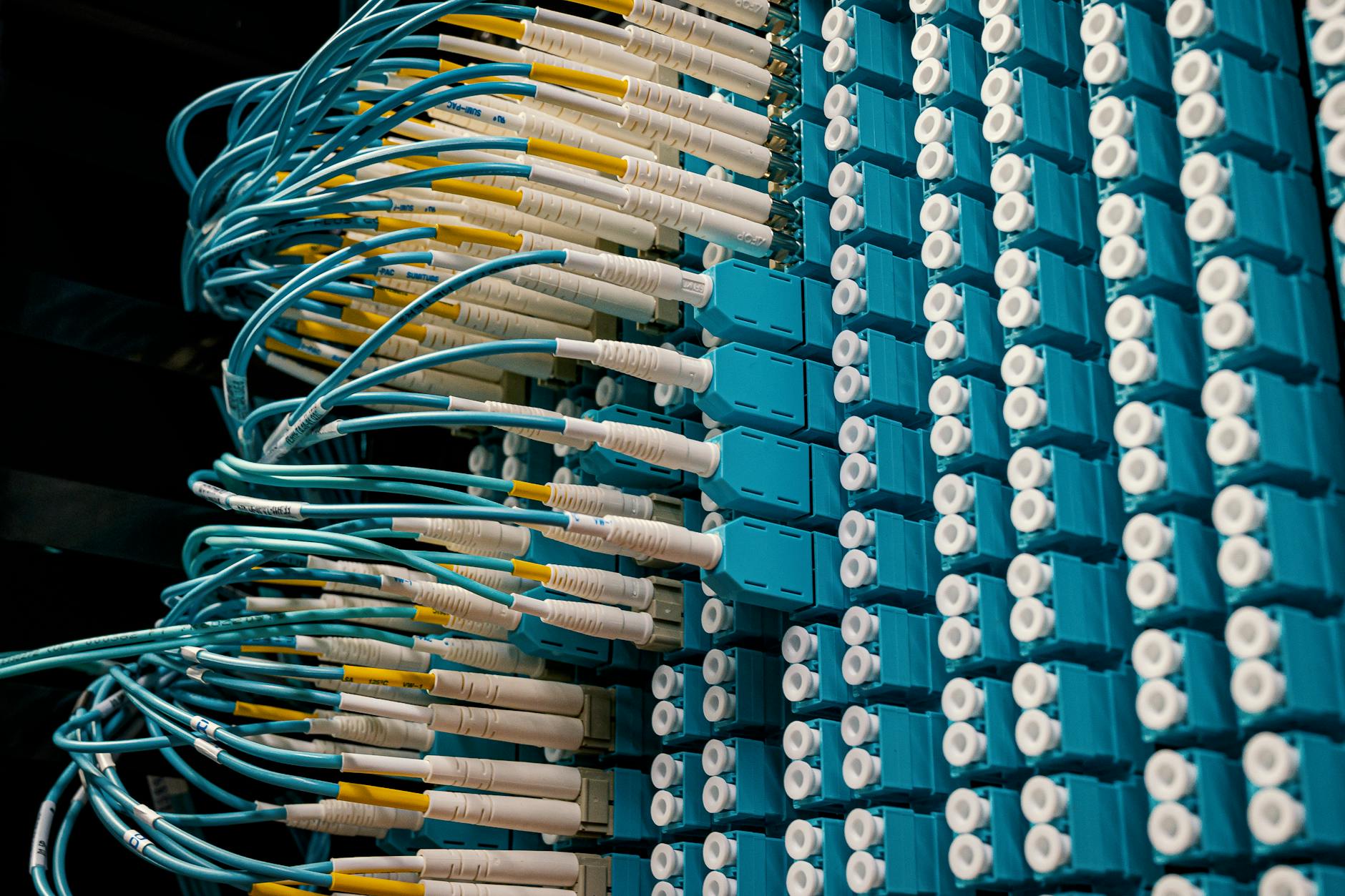
Photo by Brett Sayles on Pexels
Strategic Importance for India
Google’s investment in the Visakhapatnam data center hub carries significant strategic implications for India’s digital economy and global standing. It represents a major step in bolstering the nation’s technological infrastructure.
Boosting Digital Infrastructure
The addition of a 1 GW data center hub dramatically increases India’s overall data processing and storage capabilities. This enhanced infrastructure is vital for supporting the country’s rapidly growing digital user base and the increasing adoption of cloud services, e-commerce, and digital government initiatives.
Improved local data center capacity can lead to lower latency for users accessing Google services, meaning faster response times and a smoother online experience. This localized infrastructure also supports data residency requirements, which are becoming increasingly important for regulatory compliance and data governance.
Economic Impact and Foreign Investment
The $15 billion investment by Google is one of the largest foreign direct investments (FDI) in India’s technology sector. Such large-scale investments stimulate economic growth through job creation, both directly within the data center operations and indirectly in supporting industries like construction, logistics, and local services.
This project also signals India’s attractiveness as a destination for global technology companies seeking to expand their digital footprint. It can encourage further investments from other tech giants, fostering a more robust and competitive digital ecosystem within the country.
Project Timeline and Phased Development
The development of Google’s Visakhapatnam data center hub is a multi-year undertaking, structured into distinct phases to manage its immense scale and complexity.
Groundbreaking and Construction Phases
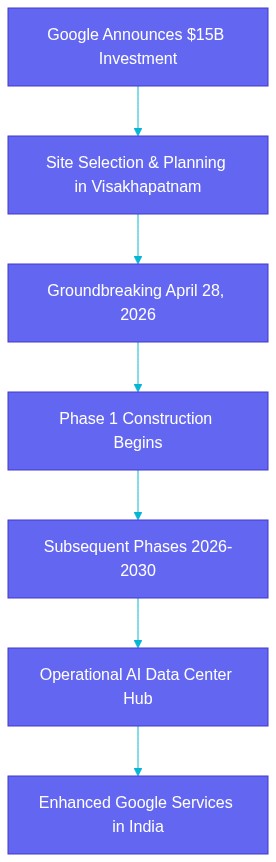
Google is scheduled to break ground on this project on April 28, 2026. This initial phase marks the commencement of physical construction activities across the three campuses. The development is planned to unfold over five years, spanning from 2026 to 2030.
Phased development allows for the gradual deployment of infrastructure and capacity, enabling Google to adapt to evolving technological requirements and market demands. This approach also helps in managing the logistical challenges associated with building such a large-scale facility.
Long-Term Vision
The multi-year timeline underscores Google’s long-term commitment to India’s digital future. By 2030, the completed hub will be a fully operational, high-capacity AI data center, serving as a critical component of Google’s global infrastructure network.
This long-term vision aligns with India’s own digital transformation goals, providing the necessary infrastructure to support advancements in AI, cloud computing, and other emerging technologies within the country.

Photo by Toàn BDS on Pexels
Comparative Context: India’s Data Center Landscape
Understanding Google’s project requires placing it within the broader context of India’s existing and projected data center capacity. The nation is experiencing rapid growth in its digital infrastructure.
National Capacity Overview
As of the end of the first half of 2026, India’s operational data center capacity stood at approximately 1.75 GW. This figure represents the cumulative capacity of all data centers across the country, serving various enterprises, cloud providers, and government entities.
The demand for data center services in India is driven by factors such as increased internet penetration, digital services adoption, and data localization policies. This growth trajectory makes India a key market for data center development.
Google’s Contribution to Growth
Google’s planned 1 GW data center hub in Visakhapatnam will significantly augment India’s total data center capacity. Once fully operational, this single project will represent a substantial portion of the nation’s existing infrastructure, effectively doubling the capacity available at the end of H1 2026.
This massive addition not only meets Google’s own operational needs but also contributes to the overall resilience and capability of India’s digital ecosystem. It positions India as a more significant player in the global data infrastructure landscape.
| Attribute | Details |
|---|---|
| Location | Visakhapatnam, Andhra Pradesh, India |
| Project Type | AI Data Center Hub (3 campuses) |
| Planned Investment | $15 billion USD |
| Total Capacity | 1 Gigawatt (GW) |
| Development Timeline | 2026 – 2030 (5 years, multiple phases) |
| Significance | Google’s largest AI hub outside the US |
Real World Example
Consider a scenario where a new AI-powered healthcare application is developed in India. This application relies on processing vast datasets of medical images and patient records to identify patterns and assist in diagnoses. Without robust local data center infrastructure, the application would need to send data to facilities in other countries, introducing latency and potential compliance issues.
With Google’s 1 GW AI data center hub in Visakhapatnam, such an application can leverage local, high-performance computing resources. This proximity allows for faster processing of sensitive medical data, enabling quicker diagnostic insights and more efficient healthcare delivery. The dedicated AI infrastructure ensures that the complex algorithms can run optimally, supporting real-time analysis and improving patient outcomes within India.
Key Takeaways
- Google is investing $15 billion in a major data center project in Visakhapatnam, Andhra Pradesh, India.
- This project is a 1-gigawatt (GW) AI data center hub spread across three campuses.
- It is slated to be Google’s largest AI hub outside the United States, emphasizing its strategic importance.
- The development will occur in multiple phases over five years, from 2026 to 2030, with groundbreaking planned for April 28, 2026.
- This significant investment will substantially increase India’s overall data center capacity, which was approximately 1.75 GW at the end of H1 2026.
The scale of Google’s 1 GW data center project in Visakhapatnam is remarkable, effectively representing over half of India’s entire operational data center capacity as of mid-2026. This single investment dramatically reshapes India’s digital infrastructure landscape.
Frequently Asked Questions
How many Google data centers are currently operational in India?
The provided research data indicates that Google is breaking ground on a new $15 billion data center project in Visakhapatnam, Andhra Pradesh, with groundbreaking planned for April 28, 2026. This project is a future development, not an currently operational facility as of the data’s context.
What is the total investment in Google’s new data center project in India?
Google plans to invest $15 billion in its data center hub project in Visakhapatnam, Andhra Pradesh. This significant investment is spread across three campuses and is one of the largest foreign direct investments in India.
What is the capacity of Google’s upcoming data center hub in India?
The planned data center hub in Visakhapatnam will have a total capacity of 1 gigawatt (GW). This makes it a substantial addition to India’s overall data center infrastructure, which was about 1.75 GW nationwide at the end of H1 2026.
When will Google’s new data center in Visakhapatnam be fully operational?
The project is planned to be built in multiple phases over five years, from 2026 to 2030. Groundbreaking is scheduled for April 28, 2026, indicating a multi-year development timeline before full operational status.

SiliconeUpdate.com is a technology news platform that publishes updates and informational content related to silicon technology, software, artificial intelligence, and emerging technologies.
All articles published on this platform are attributed to SiliconeUpdate.com instead of individual authors. Content is presented in a neutral, informational format without personal opinions.
—
Content Publishing
SiliconeUpdate.com publishes news and updates based on publicly available information, official announcements, and industry developments. The focus is on clarity, relevance, and timely reporting.
—
Editorial Control
All editorial decisions, updates, and content management are handled at the platform level. No individual human or AI identity is presented as the author of articles.
—
Contact
For editorial communication or general queries, contact:
Email: neemasharma@gmail.com