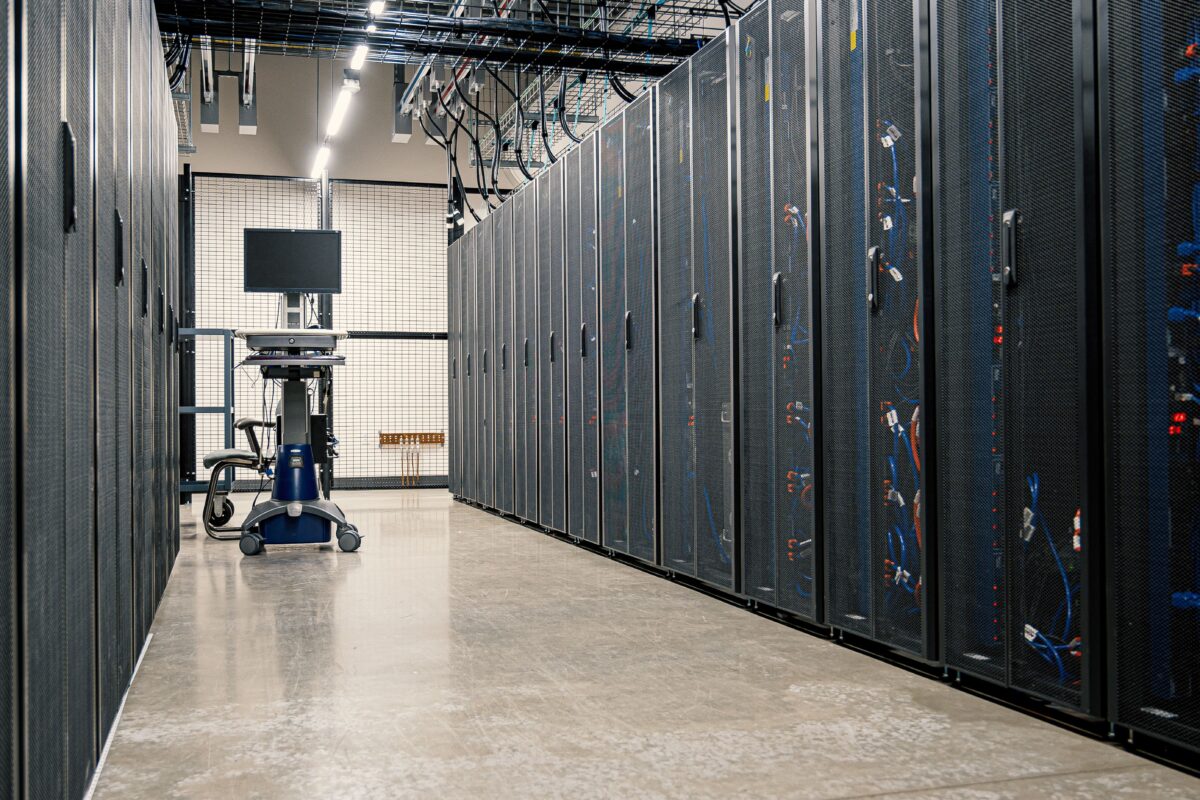
Building hyperscale data centers involves complex engineering and strategic planning to support massive computational demands. These facilities, often spanning millions of square feet, are the backbone of global cloud services and AI infrastructure. By 2026, Amazon, Microsoft, and Google collectively control 58% of these vast data center operations, underscoring their dominance in this specialized construction sector.
Defining Hyperscale
A hyperscale data center is characterized by its immense scale, designed to host thousands of servers and virtual machines, providing high availability and redundancy. These facilities are purpose-built by large cloud providers to deliver services like cloud computing, big data analytics, and artificial intelligence. Their construction prioritizes efficiency, scalability, and resilience to meet ever-growing digital demands.
The Shift to Industrialized Construction
The construction methodology for hyperscale data centers is rapidly evolving, moving away from traditional on-site labor. By 2026, factory-based production and modular construction methods are replacing conventional approaches. This shift significantly reduces project timelines, with reported reductions of 30% to 50%, enabling faster deployment of critical infrastructure.
Strategic Planning and Site Selection
The initial phase of building a hyperscale data center involves meticulous strategic planning and site selection, which dictates the long-term operational efficiency and cost-effectiveness. Factors such as power availability, network connectivity, and environmental conditions are paramount.
Infrastructure Requirements
Hyperscale facilities demand substantial infrastructure. Access to reliable, high-capacity power grids is non-negotiable, often requiring dedicated substations. Proximity to major fiber optic networks ensures low-latency data transmission, which is critical for global operations. Water availability for cooling systems also plays a significant role in site selection.
Regulatory and Environmental Considerations
Site selection also involves navigating complex regulatory landscapes and environmental impact assessments. Local zoning laws, building codes, and environmental protection regulations must be thoroughly addressed. Considerations for renewable energy sources and sustainable cooling practices are increasingly integrated into the planning process to minimize ecological footprints.

Photo by Julia Volk on Pexels
Modular Design and Prefabrication
The adoption of modular and prefabricated construction techniques is a defining characteristic of modern hyperscale data center builds. This approach streamlines the construction process, enhancing both speed and quality control.
Accelerating Deployment
Modular components, such as pre-assembled power units, cooling modules, and server racks, are manufactured off-site in controlled factory environments. This allows for parallel construction activities, where site preparation occurs concurrently with module fabrication. The result is a significantly accelerated deployment schedule, crucial for meeting market demand.
Factory-Based Production
Factory-based production ensures consistent quality and reduces the variability associated with on-site construction. Modules undergo rigorous testing before shipment, minimizing potential issues during installation. This method also contributes to a safer construction environment and reduces waste.
Core Infrastructure and AI-Readiness
The internal architecture of hyperscale data centers is engineered for extreme performance, reliability, and the specific demands of modern workloads, particularly artificial intelligence.
Power and Cooling Systems
Robust power distribution systems, including multiple redundant power feeds, uninterruptible power supplies (UPS), and backup generators, ensure continuous operation. Advanced cooling solutions, such as liquid cooling or evaporative cooling, are essential for managing the high heat loads generated by thousands of servers. These systems are designed to maintain optimal operating temperatures while maximizing energy efficiency, often measured by Power Usage Effectiveness (PUE).
Network Architecture and AI Integration
The internal network architecture features high-bandwidth, low-latency fiber optic cabling connecting server racks, storage arrays, and networking equipment. Hyperscale cloud providers own over half of the world’s AI-ready data center capacity, necessitating specialized infrastructure. This includes high-density GPU clusters and optimized network fabrics designed to handle the intensive computational and data transfer requirements of AI workloads.
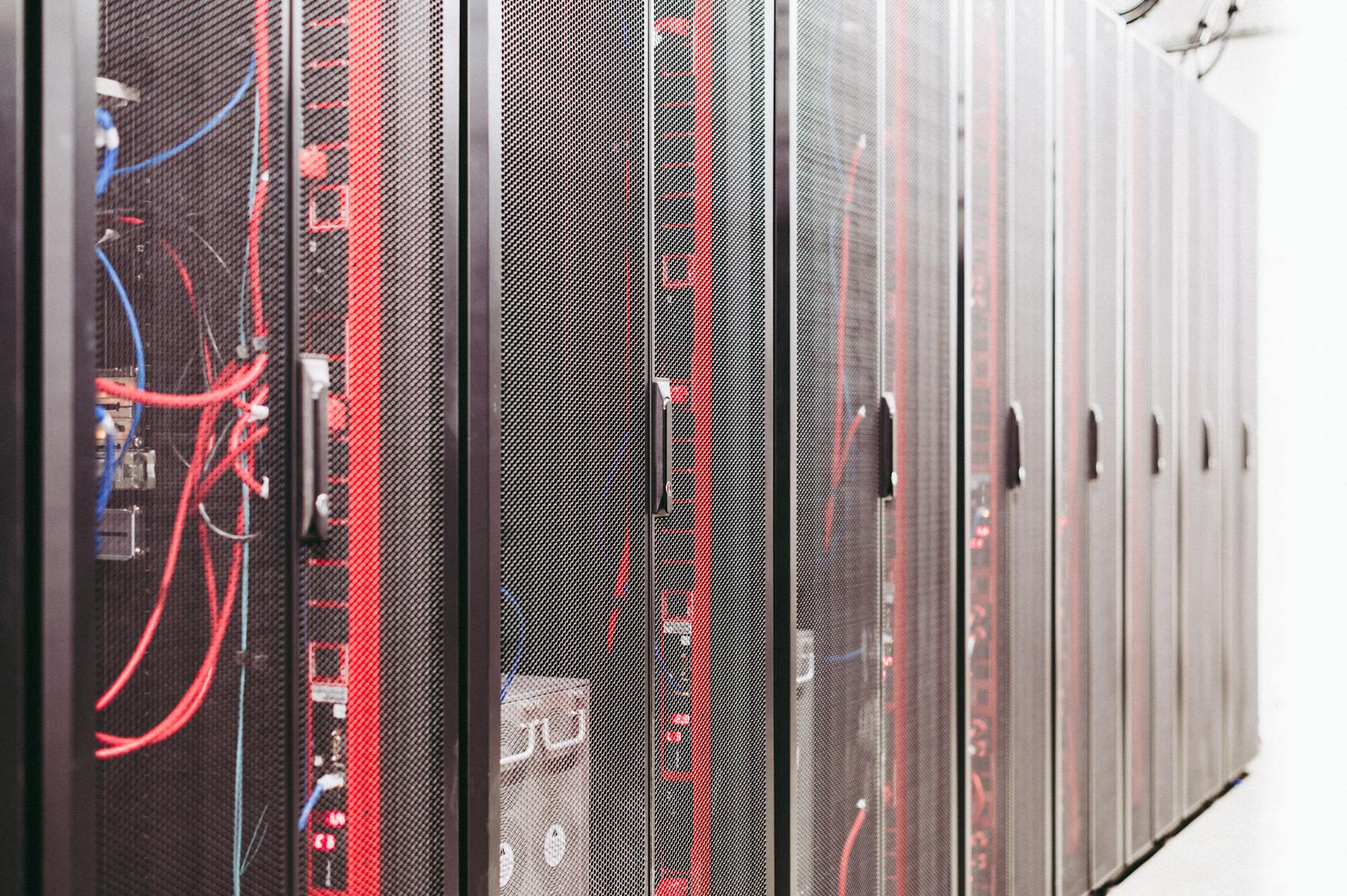
Photo by Brett Sayles on Pexels
Scale and Market Dynamics
The sheer scale of hyperscale data centers and the market forces driving their construction are unprecedented, reflecting the global reliance on digital services.
Dominant Operators
The market for hyperscale data centers is largely dominated by a few major players. Amazon, Microsoft, and Google are at the forefront, continuously expanding their global footprints. These companies invest billions into building state-of-the-art facilities, often developing their own proprietary hardware and software stacks to optimize performance and efficiency.
Projected Growth and Capacity
The demand for hyperscale capacity continues to surge. The U.S. alone is projected to add over 700 new hyperscale and colocation facilities by 2030. Regions like Utah averaged 50 MW of new data center capacity between 2020 and 2025, with Virginia remaining a significant hub. In Asia-Pacific, Digital Edge committed $4.5 billion to construct one of Indonesia’s largest AI-ready hyperscale data center campuses in the GIIC, highlighting global expansion.
| Feature | Traditional On-Site Construction | Modular/Prefabricated Construction |
|---|---|---|
| Timeline Reduction | Standard project durations | 30%–50% reduction in project timelines |
| Labor Type | Primarily on-site skilled labor | Factory-based production, reduced on-site labor |
| Quality Control | Subject to on-site conditions | Controlled factory environment, consistent quality |
| Scalability | Phased expansion, often disruptive | Easier, faster expansion by adding modules |
| Capital Expenditure | Higher initial on-site costs | Potentially lower overall costs due to efficiency |
Key Takeaways
- Hyperscale data centers are massive facilities, some reaching 10 million square feet, built by major cloud providers like Amazon, Microsoft, and Google.
- Construction methods are shifting towards factory-based production and modular designs, significantly reducing project timelines by 30% to 50%.
- Strategic planning involves rigorous site selection based on power availability, network connectivity, and environmental considerations.
- Core infrastructure includes robust power, advanced cooling systems, and high-bandwidth network architectures optimized for AI workloads.
- The market is dominated by a few hyperscale cloud providers who own over half of the world’s AI-ready data center capacity.
Despite a significant pipeline of new data center capacity slated for 2026, only a fraction of these projects are currently under construction, indicating potential delays or cancellations in future supply.
2026 Hyperscale Data Center Capacity Outlook (GW)
Slated Capacity: 16GW | Under Construction: 5GW — Source: currence.ai blog, February 2026
Real World Example
In February 2026, Digital Edge announced a significant investment of $4.5 billion to construct one of Indonesia’s largest AI-ready hyperscale data center campuses. This project, located in the Greenland International Industrial Center (GIIC), exemplifies the global expansion and specialized focus of modern hyperscale builds. The commitment to an “AI-ready” campus signifies the integration of advanced infrastructure, such as high-density computing and specialized cooling, from the initial design phase to support demanding artificial intelligence workloads. This investment highlights the strategic importance of building infrastructure capable of handling future computational requirements in emerging markets.
Frequently Asked Questions
What is an AI-ready hyperscale data center?
An AI-ready hyperscale data center is specifically designed and built with infrastructure optimized for artificial intelligence workloads. This includes high-density GPU clusters, advanced cooling solutions for increased heat loads, and high-bandwidth, low-latency network architectures to support intensive data processing.
How large can hyperscale data centers be?
Hyperscale data centers can be exceptionally large, with some facilities reaching up to 10 million square feet. Their vast scale is necessary to house the thousands of servers and extensive infrastructure required to support global cloud services and massive data operations.
Who builds most hyperscale data centers?
The majority of hyperscale data centers are built and operated by major cloud providers. Amazon, Microsoft, and Google are dominant players, controlling 58% of these facilities by 2026, and they often invest in proprietary designs and technologies.
What are the benefits of modular construction for data centers?
Modular construction offers several benefits, including significantly reduced project timelines (30-50% faster), improved quality control due to factory-based production, and enhanced scalability. This method allows for quicker deployment and expansion of data center capacity.

SiliconeUpdate.com is a technology news platform that publishes updates and informational content related to silicon technology, software, artificial intelligence, and emerging technologies.
All articles published on this platform are attributed to SiliconeUpdate.com instead of individual authors. Content is presented in a neutral, informational format without personal opinions.
—
Content Publishing
SiliconeUpdate.com publishes news and updates based on publicly available information, official announcements, and industry developments. The focus is on clarity, relevance, and timely reporting.
—
Editorial Control
All editorial decisions, updates, and content management are handled at the platform level. No individual human or AI identity is presented as the author of articles.
—
Contact
For editorial communication or general queries, contact:
Email: neemasharma@gmail.com