Google and Xcel Energy have announced plans connected to a proposed 780-megawatt artificial intelligence data center in Pine Island, Minnesota.
The project highlights one of the biggest challenges facing the technology industry: how to provide enough electricity for rapidly growing AI computing demand while protecting existing energy customers and expanding cleaner power sources.
An AI data center campus connected to wind, solar and battery storage.
A Major AI Infrastructure Project
The proposed facility would support large-scale computing workloads connected to Google services and artificial intelligence.
AI data centers require large amounts of electricity because they use powerful processors to train and operate machine learning models. These processors also produce significant heat, requiring advanced cooling and power infrastructure.
The planned facility would be located in Pine Island, Minnesota, near Rochester. It is expected to become one of the largest technology infrastructure projects in the region.
The project reflects a wider trend in which technology companies are building specialized data centers to support cloud computing, artificial intelligence, search, video services and online applications.
A large-scale hyperscale data center designed for artificial intelligence workloads.
Google Plans Additional Renewable Energy Capacity
According to reports about the agreement, Google would support the development of additional renewable energy and battery storage connected to Xcel Energy’s grid.
The planned energy package includes:
- Approximately 1,400 megawatts of wind generation.
- Approximately 200 megawatts of solar generation.
- Approximately 300 megawatts of battery storage.
The combined renewable and storage capacity would be larger than the data center’s planned 780-megawatt demand.
Because wind and solar power do not produce electricity continuously, additional generation and storage can help support reliability when renewable output changes.
Wind turbines, solar panels and battery storage supporting an AI data center.
How the Project Could Affect the Electricity Grid
Large data centers create new demand for electricity. Utilities may need to upgrade transmission lines, substations and other infrastructure to connect these facilities to the grid.
Supporters of the Minnesota project say the agreement is designed to prevent existing customers from paying for the data center’s grid-related costs.
Google has reportedly agreed to pay for its electric service and a significant portion of its contracted capacity, even if the facility does not use all of the power immediately.
This type of arrangement is becoming more important as utilities evaluate how to handle large industrial customers without transferring unnecessary costs to households and smaller businesses.
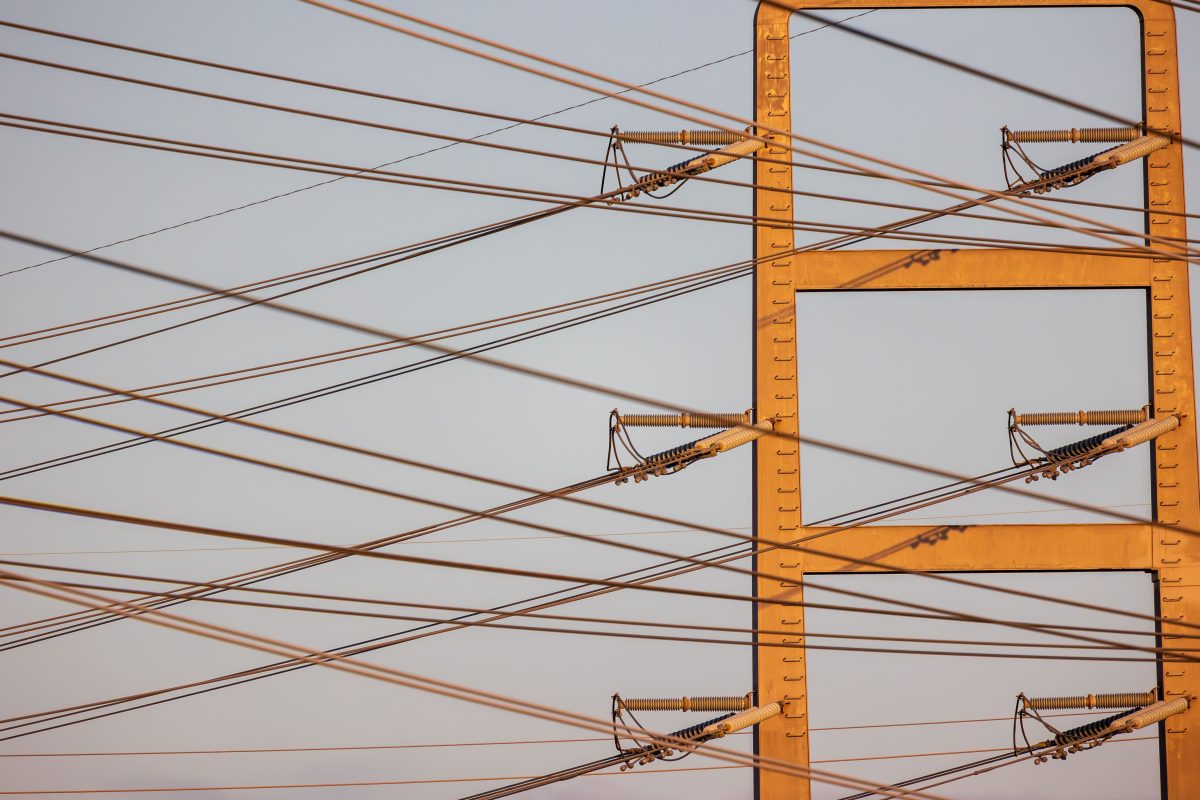
Electricity transmission lines connecting renewable energy projects to a regional grid.
Why AI Data Centers Need So Much Power
Artificial intelligence workloads use specialized processors that can consume large amounts of electricity.
AI data centers may perform several demanding tasks, including:
- Training large machine learning models.
- Generating responses from AI systems.
- Processing images, video and audio.
- Running cloud-based business applications.
- Supporting search engines and online services.
- Analyzing large scientific and commercial data sets.
Unlike some traditional data-center workloads, AI processing can create large and concentrated power demands. This makes data-center location and energy planning increasingly important.
Google has previously described the need to locate data centers near reliable and sustainable energy resources while distributing AI workloads across multiple facilities.
AI processors operating inside a modern data center.
Experts Question the Need for New Grid Construction
Although Google and Xcel Energy say the project can support cleaner energy development, some experts have questioned whether all of the proposed grid expansion is necessary.
One concern is that utilities may have a financial incentive to build additional infrastructure for large data-center customers. Critics argue that power demand forecasts should be carefully reviewed before new generation and transmission projects are approved.
Other questions include:
- Who will pay if the data center operates below its expected capacity?
- Will local electricity prices increase in the future?
- How much new transmission infrastructure is required?
- Will renewable projects serve the entire grid or primarily the data center?
- How will water use and cooling requirements be managed?
- How many long-term jobs will the facility create?
These questions are likely to become more common as states consider new AI infrastructure projects.

Community members discussing the local impact of a proposed data center.
Potential Benefits for Minnesota
Supporters of the project expect the data center to bring economic benefits to the region.
Possible benefits may include:
- Construction employment.
- Technology and engineering jobs.
- New tax revenue.
- Investment in renewable energy.
- Improved grid infrastructure.
- Education and workforce-development programs.
- Growth for local suppliers and service businesses.
Google has also highlighted community investment, job creation and education initiatives connected with its Minnesota data-center plans.
However, the long-term value of the project will depend on how costs, environmental effects and infrastructure responsibilities are distributed.
Workers constructing a modern technology facility in a growing local community.
Concerns About Water and the Environment
Electricity is not the only environmental issue connected to large AI data centers. These facilities also require cooling systems to remove heat from computer equipment.
Depending on the design, cooling may require water, electricity or a combination of technologies.
Environmental questions surrounding the project may include:
- How much water will the facility use?
- Will recycled or potable water be used for cooling?
- How will heat be managed?
- What emissions are associated with backup power?
- How much renewable energy will be available throughout the year?
- How will batteries and equipment be recycled?
Data-center developers are increasingly under pressure to publish clearer information about energy use, water consumption and local environmental effects.
An energy-efficient data center using advanced cooling technology.
A Test for the Future of AI Infrastructure
The Minnesota proposal is part of a much larger debate about artificial intelligence and infrastructure.
As companies build more powerful AI systems, demand for data centers, electricity, networking equipment and semiconductors is increasing.
The project may become an example of how technology companies and utilities attempt to connect large AI facilities while expanding renewable energy and protecting existing customers.
Its progress could also influence how other states evaluate data-center proposals and negotiate electricity contracts with major technology companies.
Conclusion
Google’s proposed 780-megawatt Minnesota AI data center shows how artificial intelligence is changing the energy industry.
The project could bring investment, jobs and renewable energy development to the region. At the same time, it raises important questions about electricity demand, grid construction, water use, environmental impact and customer costs.
As AI continues to expand, data-center projects will need to demonstrate more than computing capacity. They will also need reliable power plans, transparent costs and clear commitments to local communities and the environment.
The Minnesota project is therefore more than a single data-center proposal. It is a test of how the United States will build the infrastructure needed for the next generation of artificial intelligence.
Sources
- CNBC: How AI Data Centers Are Reshaping America’s Grid
- Xcel Energy: New Google Data Center in Minnesota
- Google: Pine Island, Minnesota Data Center
- Google Cloud: Data Centers and Global Networks for AI
SiliconeUpdate.com is a technology news platform that publishes updates and informational content related to silicon technology, software, artificial intelligence, and emerging technologies.
All articles published on this platform are attributed to SiliconeUpdate.com instead of individual authors. Content is presented in a neutral, informational format without personal opinions.
—
Content Publishing
SiliconeUpdate.com publishes news and updates based on publicly available information, official announcements, and industry developments. The focus is on clarity, relevance, and timely reporting.
—
Editorial Control
All editorial decisions, updates, and content management are handled at the platform level. No individual human or AI identity is presented as the author of articles.
—
Contact
For editorial communication or general queries, contact:
Email: neemasharma@gmail.com