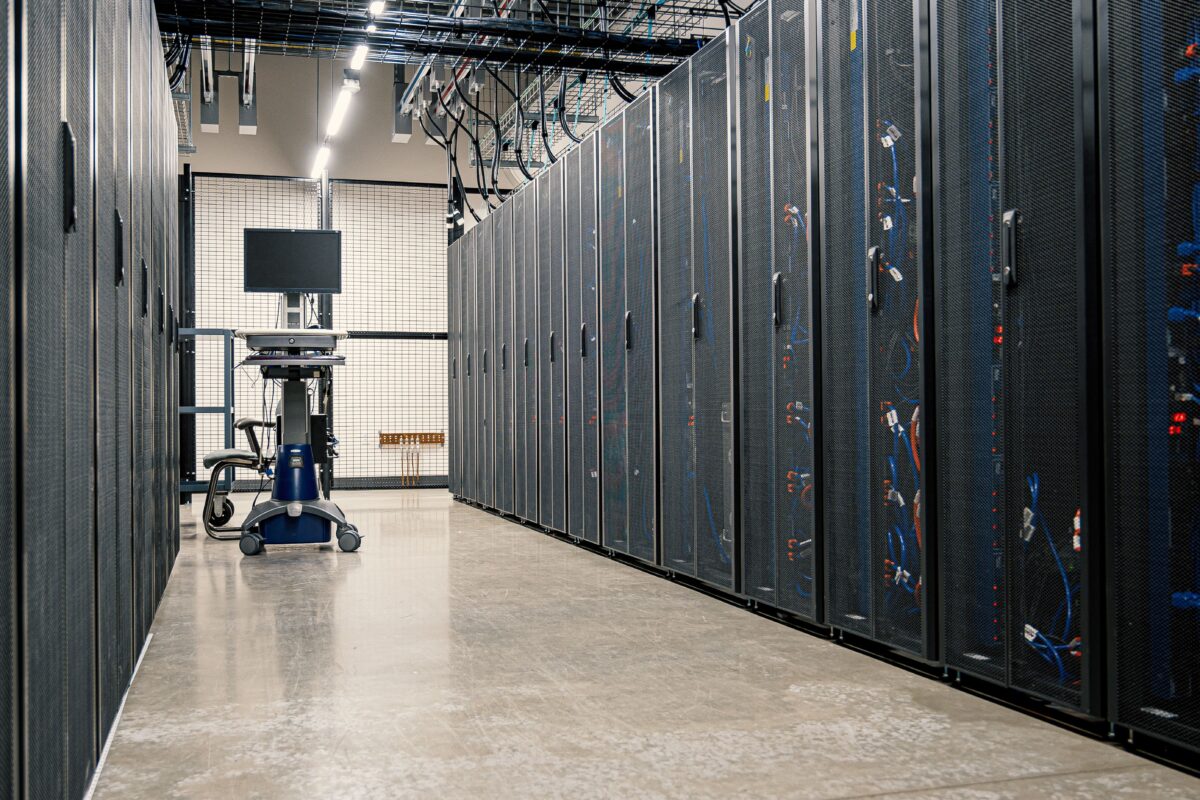
For most of the cloud era, power was something a data center operator simply bought. You picked a site, signed a contract with the utility, and the electricity showed up. AI has broken that assumption, and the interesting part is that the problem is no longer just “is there enough electricity?” It has turned into an engineering problem, with bottlenecks in transformers, turbines, switchgear, and even the voltage used inside a server rack.
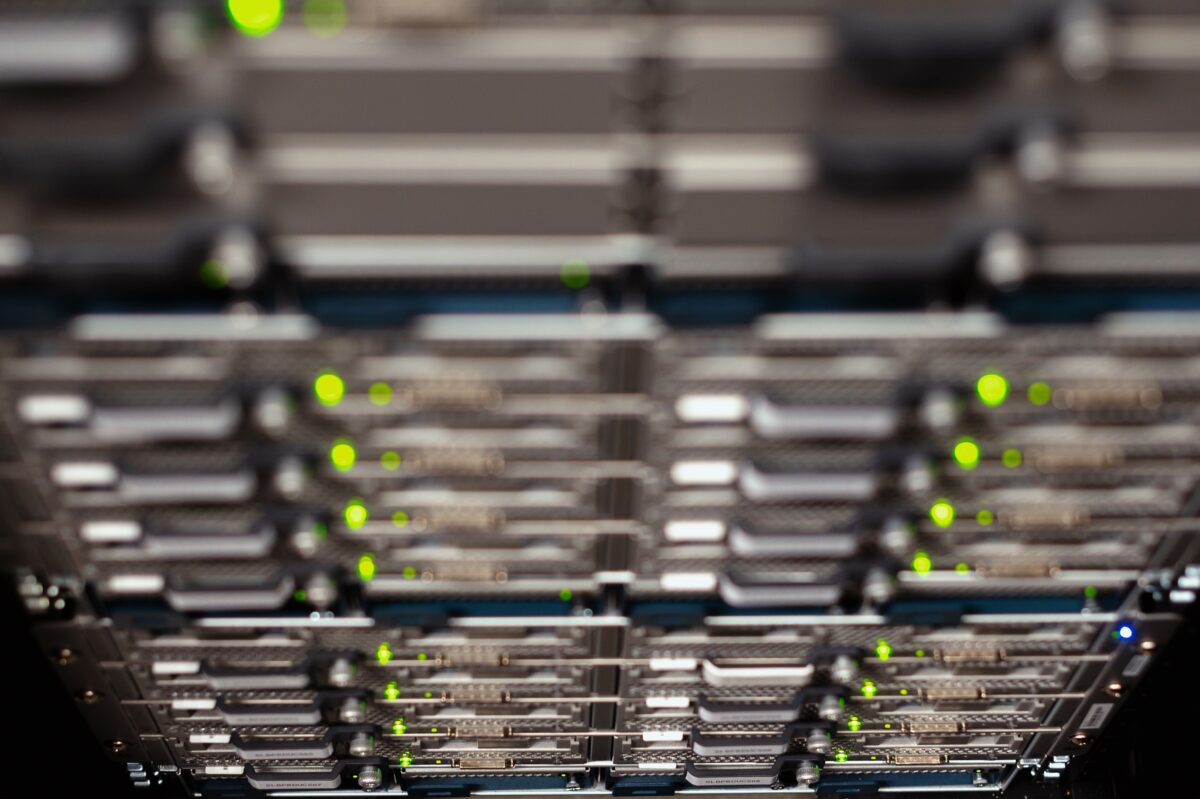
Two clocks running at different speeds
The core issue is timing. A new AI chip generation arrives roughly every year, and a data center shell can go up in two or three years. The electrical infrastructure behind it moves far slower. One filing that draws on IEA analysis puts grid and generation projects at four to eight years, against two to three for the building itself. By the time a campus is ready for hardware, the power may still be years away.
That gap shows up in the numbers. One analysis of a large GPU cloud provider reports about 3.5 GW of contracted power but only 1 GW active, a difference it blames on construction and power delivery delays rather than a lack of customers. It is a secondary source, but the pattern matches what the IEA has described: demand is racing ahead while the grid scrambles for solutions.
The unglamorous gear
What holds projects up is often not generation but boring, heavy equipment. A market tracker summarized by BigGo says lead times for medium-voltage switchgear have stretched from four or five months to 44 to 80 weeks, and large power transformers now take 128 weeks or more. Gas turbines have their own queue: the same piece says pricing has climbed from roughly $800 per kilowatt in 2021 to about $2,800 for deliveries scheduled in 2028 to 2030. These are one tracker’s figures and other sources quote different lead times, but they all point the same way, and the IEA has noted that transformer order backlogs grew by more than 30 percent in 2024.
What makes this a technology problem is that you can’t fix it with money alone. Transformers and turbines are built by a small number of manufacturers on slow, specialized production lines. A hyperscaler can sign a bigger check, but it can’t make a factory appear.
Inside the rack, the electrical design is breaking too
The bottleneck doesn’t stop at the property line. Inside the building, rack power is climbing so fast that the old way of delivering it is running out of room. The same BigGo summary lists Blackwell racks at around 145 kW, Vera Rubin NVL72 at 330 kW, and later systems heading toward 570 kW and eventually 1 MW. Figures vary by source, with other reports putting Rubin racks lower, but the trend is not in doubt.
At those levels, delivering power at 54 volts means enormous currents, thick copper busbars, and a lot of wasted energy. That is why the industry is moving toward 800-volt DC distribution, along with solid-state transformers and liquid-cooled power shelves. Chipmakers in the power semiconductor business describe it as high voltage reaching all the way to the processor, and one of them expects power content per rack to grow several-fold by 2030. It is a genuine redesign of how electricity moves through a data center, much like the shift to liquid cooling we covered in why AI is changing the design of data centers.
Workarounds create new bottlenecks
When the grid can’t deliver, developers bring their own power, and that is where the problem repeats itself. Natural gas is the obvious option, and Enverus has described how developers are turning to behind-the-meter gas to get around interconnection delays. But gas turbines are themselves sold out for years, with one investor note saying leading manufacturers still have only limited slots left for 2029 and 2030. Batteries, fuel cells, and nuclear each solve one part of the puzzle while bringing their own supply chains, permits, and lead times.
The result is a strange situation: the most advanced chips in the world can be bought and shipped faster than the equipment needed to switch them on. That mismatch is what we were getting at in why AI data centers need much more power, but it is increasingly clear that the constraint is not only a quantity of electricity. It is how quickly an industry that moves at the speed of semiconductors can get the heavy electrical industry to move at the same pace.
SiliconeUpdate.com is a technology news platform that publishes updates and informational content related to silicon technology, software, artificial intelligence, and emerging technologies.
All articles published on this platform are attributed to SiliconeUpdate.com instead of individual authors. Content is presented in a neutral, informational format without personal opinions.
—
Content Publishing
SiliconeUpdate.com publishes news and updates based on publicly available information, official announcements, and industry developments. The focus is on clarity, relevance, and timely reporting.
—
Editorial Control
All editorial decisions, updates, and content management are handled at the platform level. No individual human or AI identity is presented as the author of articles.
—
Contact
For editorial communication or general queries, contact:
Email: neemasharma@gmail.com