
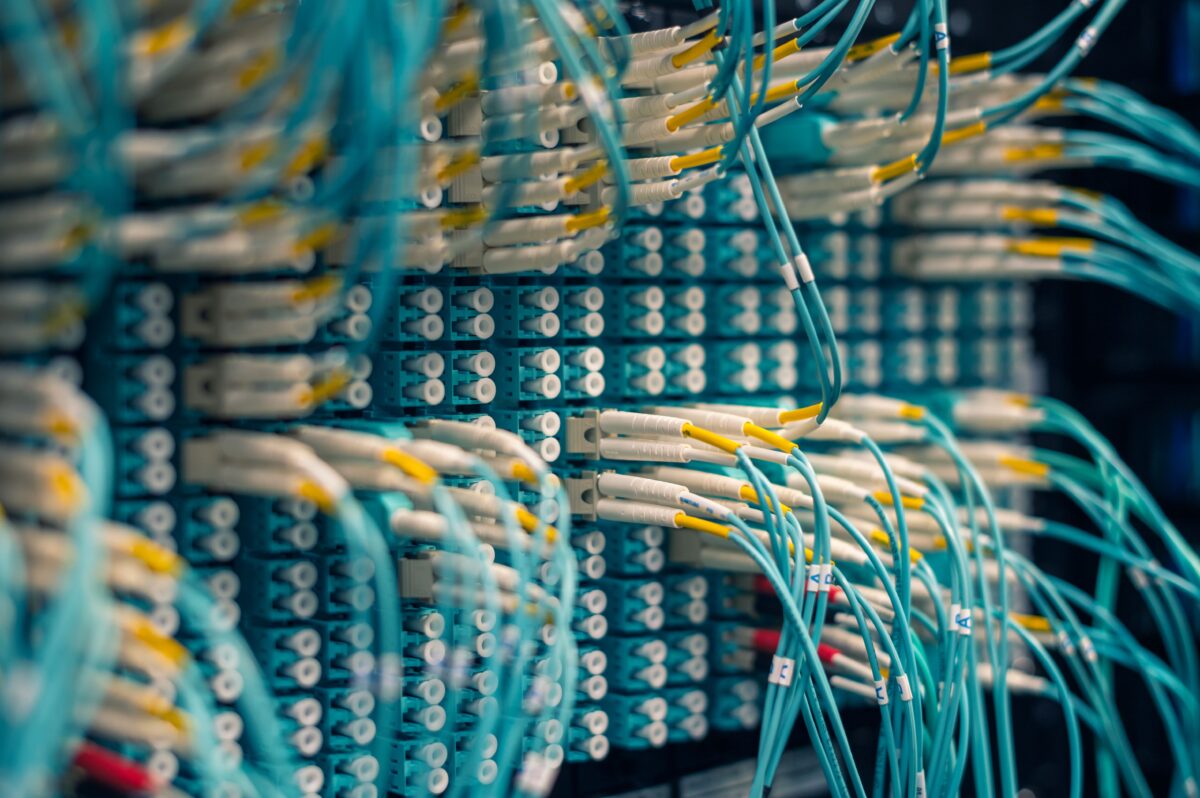
The Imperative of Data Center Networking for AI Training
Artificial intelligence systems perform human-like tasks such as perceiving, reasoning, learning, and problem-solving. An AI system achieves these capabilities through
Artificial intelligence systems perform human-like tasks such as perceiving, reasoning, learning, and problem-solving. An AI system achieves these capabilities through
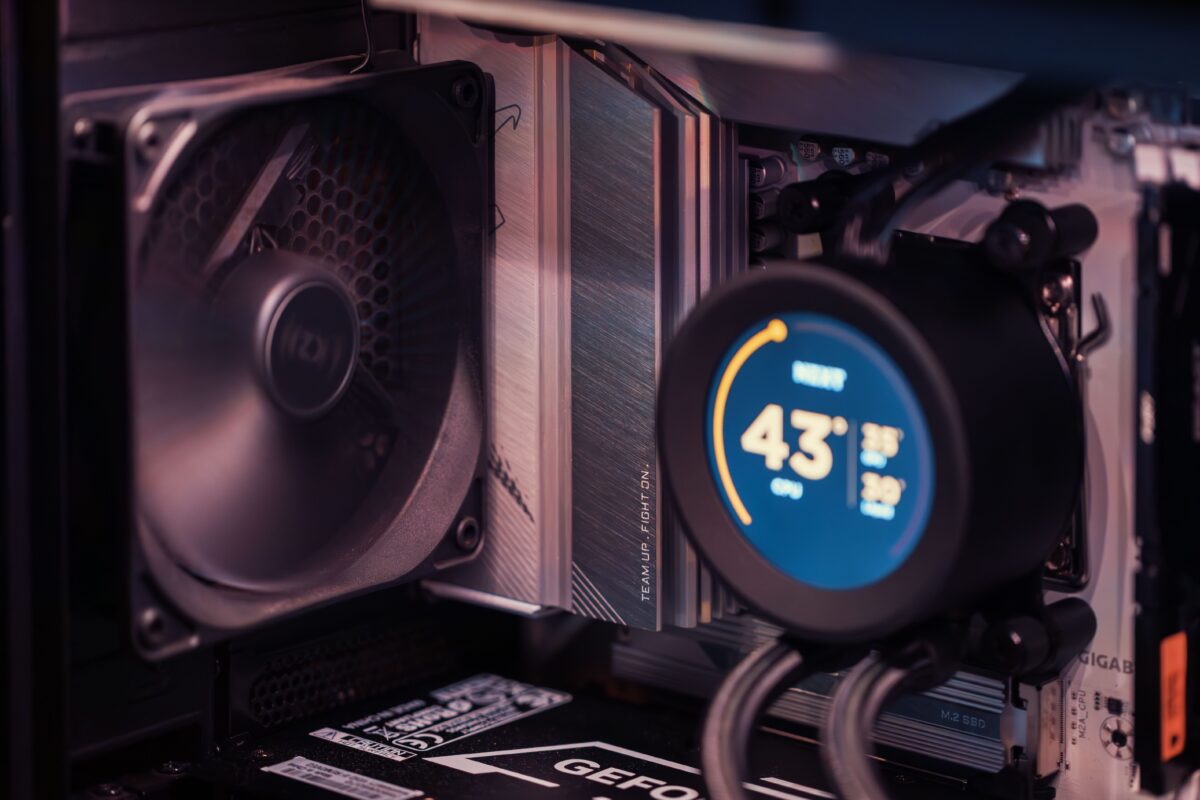
AI clusters, comprising thousands of Graphics Processing Units (GPUs), form the backbone of modern artificial intelligence development. These clusters create

Overview Security teams employ a multi-faceted approach to identify malicious activity within network environments. This process involves collecting diverse telemetry,
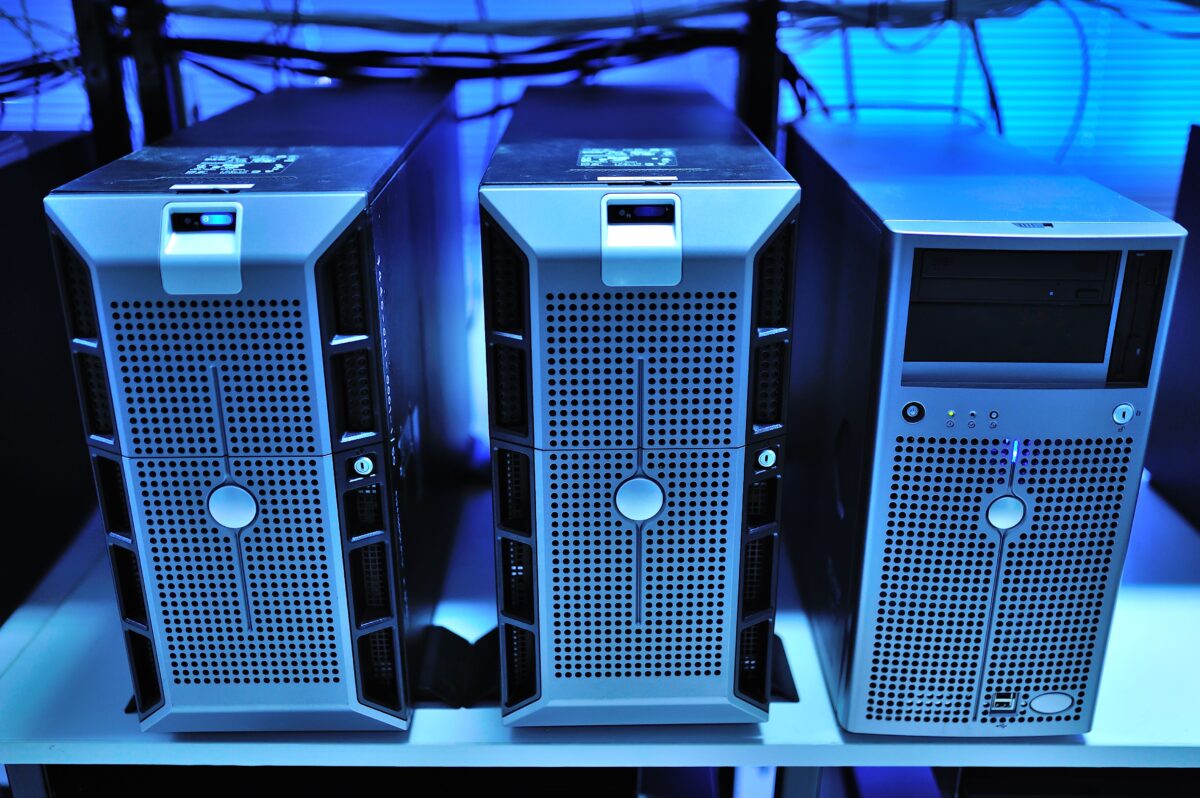
Overview The escalating demands of artificial intelligence (AI) workloads are fundamentally reshaping server architecture, driven primarily by the integration of

AI model quantization is a technique that reduces the precision of the numerical representations within a machine learning model. This

AI reasoning models inherently require more computational resources compared to traditional generative models. This increased demand stems from their fundamental
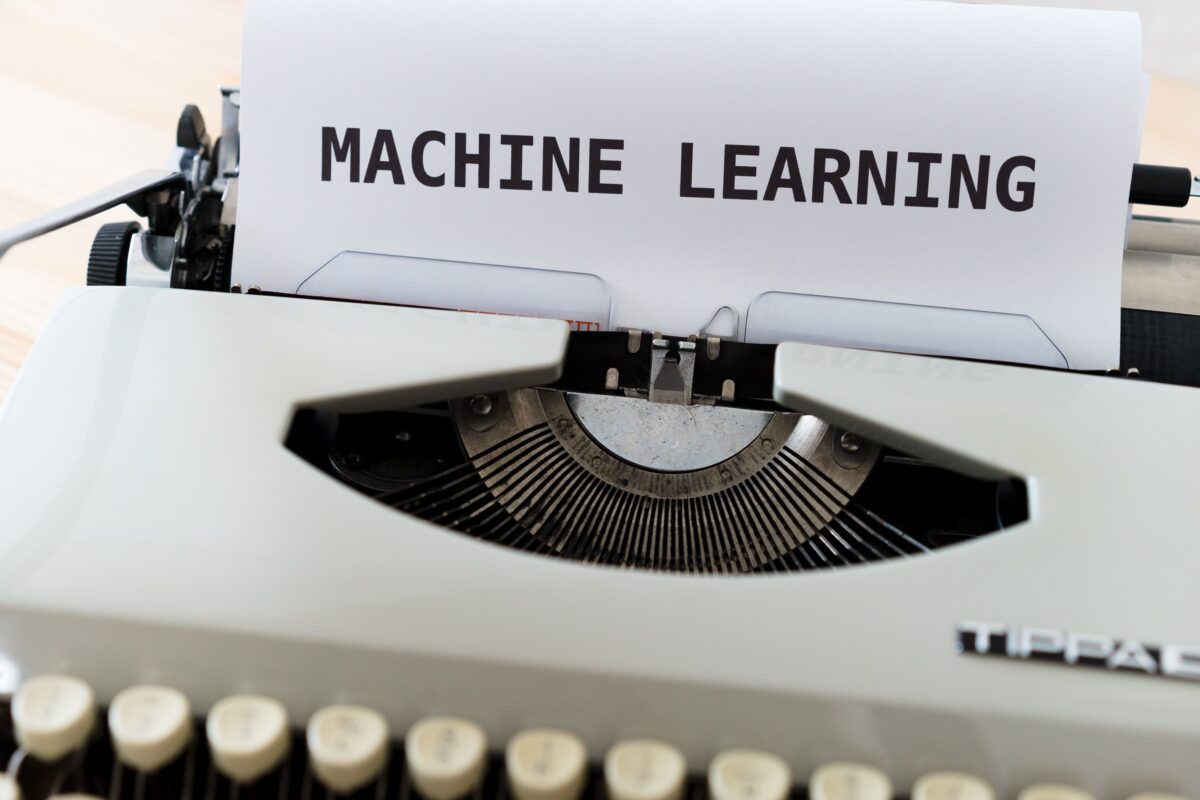
Artificial Intelligence models increasingly rely on high-quality, diverse data for effective training. When real-world data is scarce, privacy-sensitive, or imbalanced,

The rapid advancement of artificial intelligence necessitates architectures capable of handling increasingly complex and diverse tasks without prohibitive computational costs.
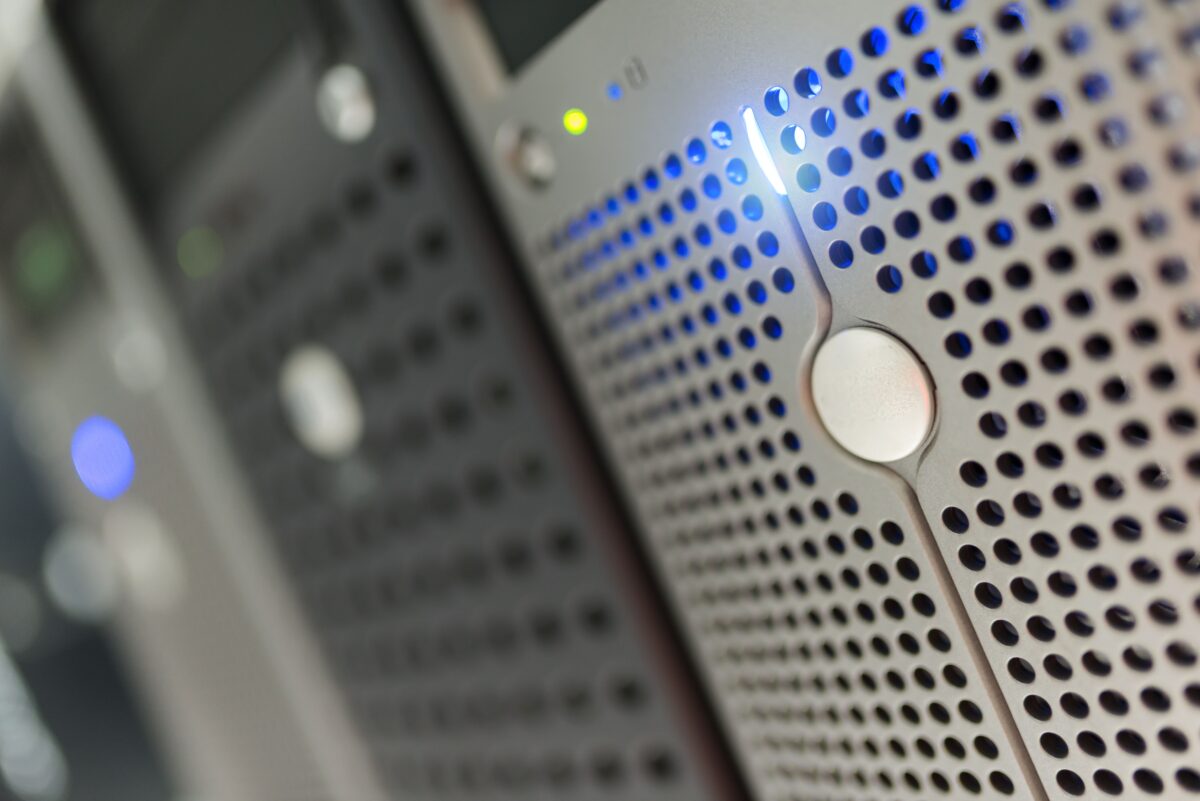
Google is making a substantial investment in India’s digital infrastructure, specifically through the development of a major data center hub.

Power Usage Effectiveness (PUE) is a critical metric used to quantify the energy efficiency of a data center. It provides