What Happened
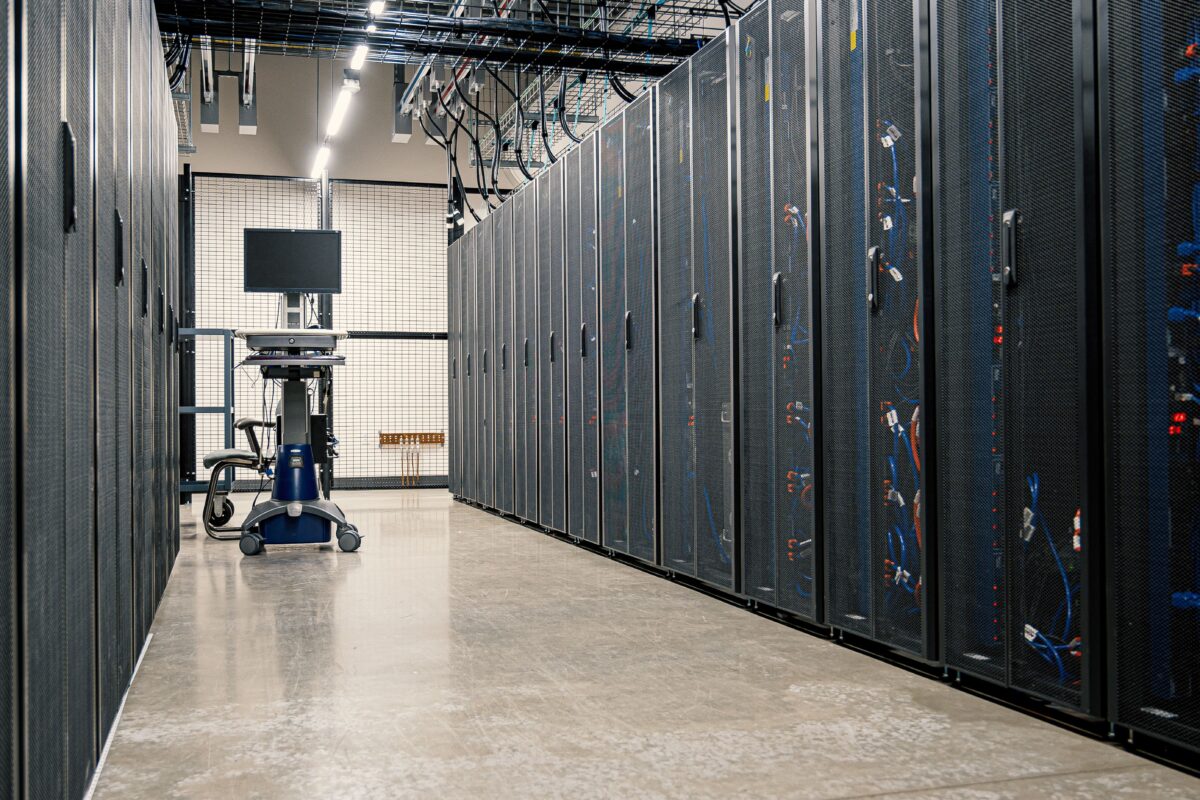
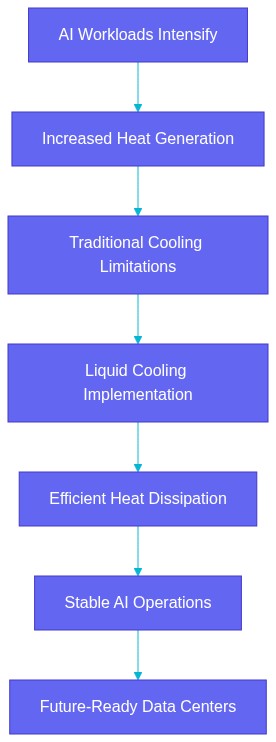
As artificial intelligence (AI) workloads intensify, liquid cooling is rapidly emerging as the indispensable technology for maintaining efficiency and stability in data centers. This shift is driven by the escalating power demands of AI, pushing traditional air-cooling methods beyond their limits. Organizations planning new AI deployments or upgrading existing facilities now consider liquid cooling a critical factor.
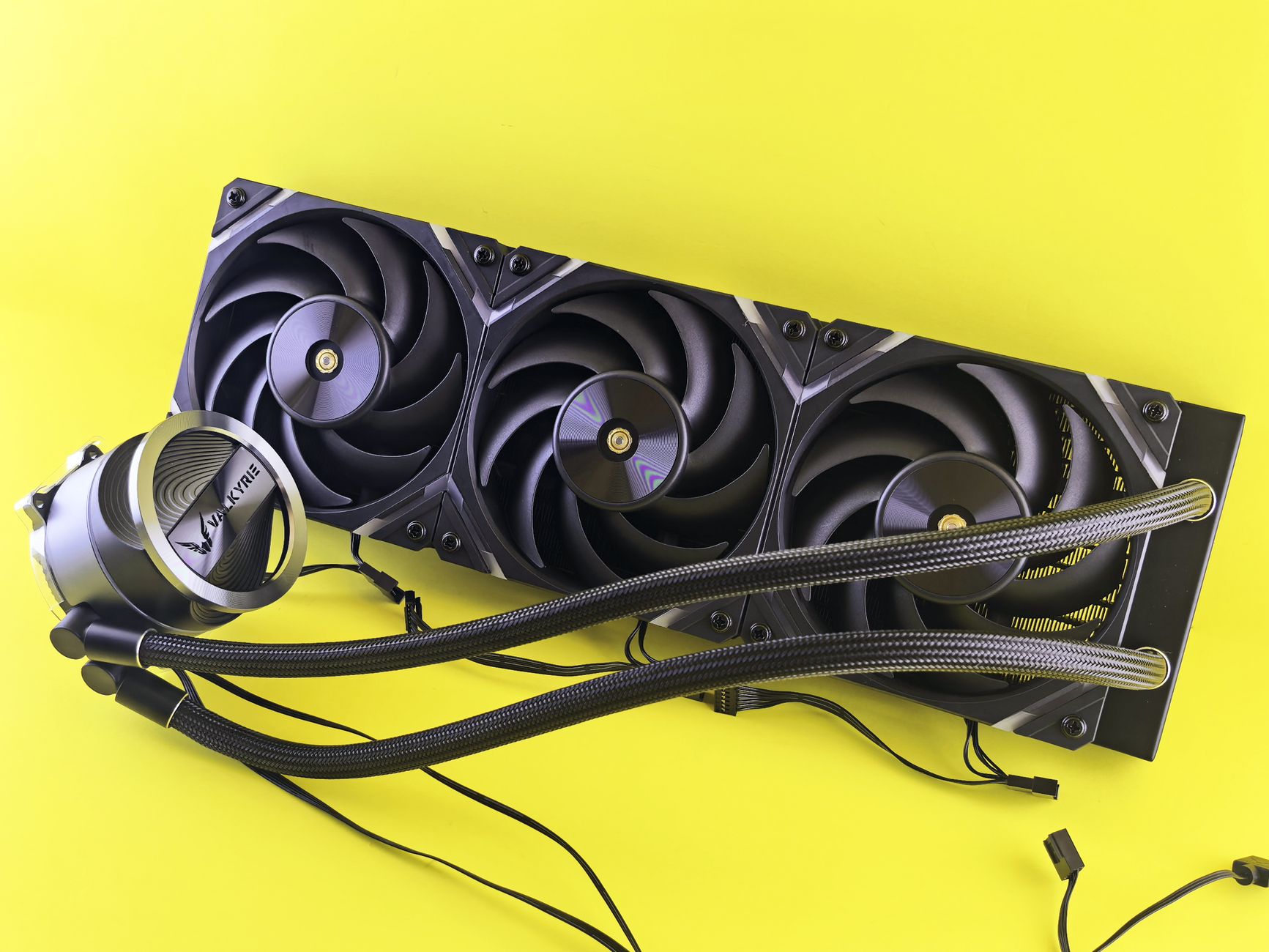
Photo by Andrey Matveev on Pexels
Key Details
Surging AI Power Demands
AI power demands are projected to surge into 2026, making liquid cooling an essential technology for future-ready data centers. AI workloads are not diminishing, with compute demand continuously driving data center evolution.
Direct-to-Chip Efficiency
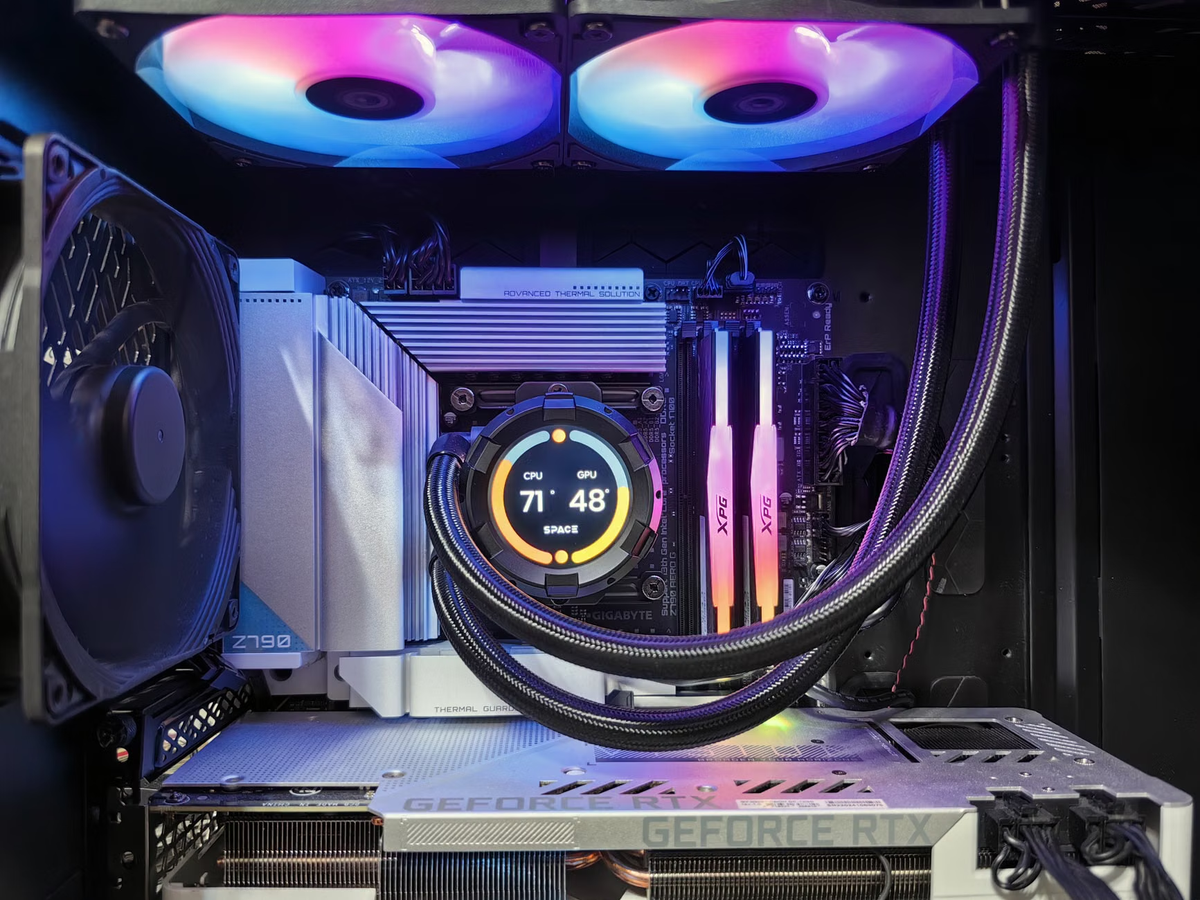
Direct-to-chip liquid cooling offers a superior approach for managing heat generated by AI workloads. This method directly absorbs and dissipates heat from the hottest components, such as GPUs, which are central to AI and High-Performance Computing (HPC).
High-Density Racks
AI workloads are pushing rack densities significantly higher than those of traditional servers, prompting many operators to rethink their cooling strategies. Liquid cooling’s superior heat-transfer capability makes it far more effective for these high-density environments. It “checks nearly every box” for an AI data center’s cooling needs, according to Airsys North America.
By the Numbers
| Metric | Observation (2026) | Source |
|---|---|---|
| AI Power Demands | Surging into 2026 | Lombard Odier |
| Rack Densities | Much higher than traditional servers | Reddit/datacenter |
| Cooling Effectiveness | Liquid cooling “far more effective” for high-density AI | Airsys North America |

Photo by Andrey Matveev on Pexels
Expert Reactions
Some experts argue that liquid cooling will dominate next-generation data centers, a sentiment echoed across the industry. NVIDIA highlights the necessity of liquid cooling infrastructure, noting that AI workloads are “not getting lighter” and require robust solutions. Schneider Electric emphasizes that direct-to-chip liquid cooling provides a better approach for AI workloads.
Impact & What It Means
The adoption of liquid cooling signifies a fundamental shift in data center design and operation. It ensures that AI infrastructure can handle intense computational demands without overheating, preventing performance degradation and system failures. This technology is becoming a prerequisite for organizations aiming to scale their AI capabilities effectively.
What Happens Next
As AI continues its rapid expansion, the integration of liquid cooling will become standard practice for new data center builds and significant upgrades. The industry will likely see further innovations in liquid cooling technologies, optimizing for even greater energy efficiency and heat dissipation. Data center operators will increasingly prioritize liquid cooling readiness in their strategic planning.
Key Takeaways
- AI power demands necessitate advanced cooling solutions beyond traditional air methods.
- Direct-to-chip liquid cooling efficiently manages heat from high-performance components like GPUs.
- Liquid cooling is essential for supporting the significantly higher rack densities driven by AI workloads.
- It provides superior heat-transfer capability, making data centers more efficient and stable.
- Organizations must consider liquid cooling for new AI deployments and facility upgrades.
The ability of liquid cooling to handle temperatures up to 45°C represents a significant breakthrough, allowing AI factories to operate under conditions that would overwhelm conventional cooling systems. This adaptability is key to sustaining the relentless compute demand.

SiliconeUpdate.com is a technology news platform that publishes updates and informational content related to silicon technology, software, artificial intelligence, and emerging technologies.
All articles published on this platform are attributed to SiliconeUpdate.com instead of individual authors. Content is presented in a neutral, informational format without personal opinions.
—
Content Publishing
SiliconeUpdate.com publishes news and updates based on publicly available information, official announcements, and industry developments. The focus is on clarity, relevance, and timely reporting.
—
Editorial Control
All editorial decisions, updates, and content management are handled at the platform level. No individual human or AI identity is presented as the author of articles.
—
Contact
For editorial communication or general queries, contact:
Email: neemasharma@gmail.com