
Web applications are essential for online shopping, banking, communication, education and business. However, they are also common targets for cybercriminals.
Artificial intelligence is changing the way organizations protect web applications. AI can analyze large amounts of security data, detect suspicious behavior, identify vulnerabilities and help security teams respond more quickly.
At the same time, AI-powered applications create new security risks. Prompt injection, sensitive-data exposure, unsafe tools and unreliable AI-generated decisions must also be addressed.
Modern web security therefore requires two approaches: using AI to improve protection and securing the AI features built into web applications. OWASP, NIST and CISA all provide guidance for managing security risks related to AI and software systems.
Artificial intelligence monitoring a web application for security threats.
What Is Web Application Security?
Web application security is the practice of protecting websites, web apps, APIs, databases and servers from unauthorized access, data theft and disruption.
Security controls are designed to protect:
- User accounts and passwords.
- Personal and financial information.
- Business records.
- Payment details.
- Application source code.
- Databases and server systems.
- APIs and third-party integrations.
Traditional web application security includes secure coding, access control, encryption, software updates, vulnerability testing, logging and backups.
AI can support these activities by processing more information and identifying patterns that may be difficult for security teams to find manually.

A secure web application protected by multiple security layers.
How AI Helps Protect Web Applications
AI can help security teams monitor applications continuously. Instead of depending only on fixed rules, AI systems can learn what normal activity looks like and identify unusual behavior.
AI may help detect:
- Unusual login attempts.
- Suspicious account activity.
- Abnormal API requests.
- Unexpected changes to files.
- Possible malware infections.
- Automated bot activity.
- Large amounts of data being downloaded.
AI does not replace security professionals. It acts as an assistant that helps them review more information, prioritize important alerts and respond to threats more efficiently.
An AI security dashboard identifying unusual activity in a web application.
1. AI-Powered Threat Detection
One of the most common uses of AI in web security is threat detection.
AI systems can examine traffic, login events, API requests and application logs. They can compare current behavior with previous activity and identify patterns that may indicate an attack.
For example, an AI system may identify:
- A user logging in from unusual locations.
- Hundreds of login attempts in a short period.
- Requests made at a speed that suggests automation.
- A normal account suddenly downloading large amounts of data.
- Unexpected requests to administrator functions.
Security teams can use these alerts to investigate possible account takeovers, bots, credential attacks and unauthorized access.
AI analyzing login activity and web traffic to detect possible attacks.
2. AI for Anomaly Detection
Anomaly detection is the process of identifying behavior that differs from normal activity.
Traditional security tools often depend on known signatures or predefined rules. AI can also examine behavior and identify unusual events that do not match previous attack patterns.
Anomaly detection may be useful for finding:
- Unexpected changes in user behavior.
- Unusual database queries.
- Strange server activity.
- Unexpected changes in application performance.
- Abnormal traffic from an API client.
An alert does not automatically prove that an attack is happening. It should be reviewed by a security professional before an important decision is made.

A graph showing AI detecting unusual behavior in a web application.
3. AI for Vulnerability Detection
AI can help developers review application code and identify possible weaknesses.
AI-assisted security tools may highlight problems such as:
- Unsafe input handling.
- Weak access controls.
- Hard-coded secrets.
- Insecure database queries.
- Missing validation.
- Outdated dependencies.
- Insecure authentication logic.
AI can also help summarize security findings and explain why a particular section of code may be risky.
However, AI-generated code reviews may contain mistakes. Developers should verify every finding, test the application safely and follow established secure development practices.
An AI coding assistant reviewing web application code for security weaknesses.
4. AI for Malware Detection
AI can help scan website files, plugins, scripts and server activity for suspicious patterns.
Malware detection systems may look for:
- Unexpected changes to important files.
- Suspicious scripts.
- Hidden redirects.
- Unauthorized administrator accounts.
- Known malicious code patterns.
- Unexpected connections to external servers.
AI can help identify new variations of harmful code by analyzing behavior rather than depending only on an exact signature.
Website owners should still maintain clean backups, update software and review administrator accounts regularly.
An AI malware scanner checking website files for suspicious changes.
5. AI for Fraud and Account Takeover Prevention
Online businesses can use AI to identify suspicious purchases, account changes and login behavior.
An AI system may compare information such as:
- Login location.
- Device type.
- Purchase history.
- Typing or usage behavior.
- Account age.
- Payment activity.
- Frequency of password changes.
If the behavior appears unusual, the application may request additional verification or temporarily limit the action.
AI-based fraud detection should be designed carefully. Incorrect decisions can block legitimate customers or unfairly affect certain groups of users.
AI analyzing an online transaction for possible fraud.
6. AI for Security Monitoring and Log Analysis
Web applications generate large numbers of logs. These records may include login events, error messages, API activity, file changes and network requests.
Security teams may not have time to read every log manually. AI can organize these records, identify connections between events and highlight activity that deserves attention.
AI-assisted log analysis can help answer questions such as:
- When did suspicious activity begin?
- Which accounts were affected?
- Which files or systems were accessed?
- Did the activity spread to other services?
- What happened before and after the security event?
Good logging remains essential. AI cannot analyze information that an application does not collect.
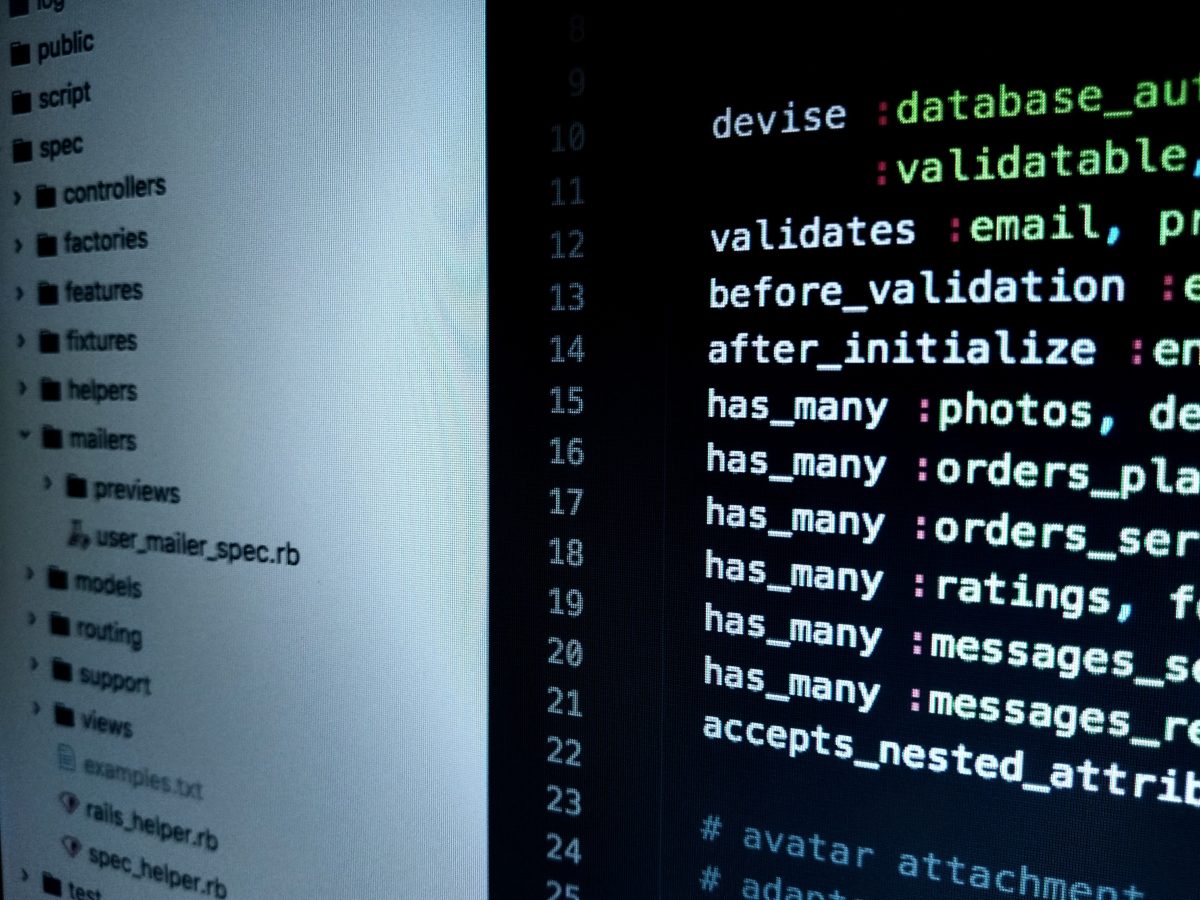
An AI system organizing application logs during a security investigation.
7. AI for Automated Security Responses
AI can help security teams respond to certain events. Depending on the risk level, an automated system may:
- Block suspicious traffic.
- Require additional authentication.
- Disable a compromised account.
- Alert a security team.
- Quarantine a suspicious file.
- Increase monitoring for a specific service.
Automated actions should be limited and carefully controlled. A false alarm that blocks a legitimate customer or shuts down a business service can cause serious damage.
High-impact actions should usually require human review, especially when they involve deleting data, disabling important services or changing access permissions.
A security operations team reviewing an AI-generated incident response recommendation.
8. AI Security Assistants for Developers
Developers can use AI assistants to learn about secure coding practices, review code and create security checklists.
An AI assistant may help explain:
- How authentication should be implemented.
- How to protect sessions and cookies.
- How to validate user input.
- How to secure API endpoints.
- How to protect sensitive information.
- How to improve error handling.
Developers should avoid sharing passwords, private keys, customer data or confidential source code with AI tools unless the tool and organization have approved protections in place.
AI-generated security advice should always be reviewed and tested before being used in production.
A developer using an AI assistant to improve web application security.
New Security Risks Created by AI
AI can improve security, but adding AI features to a web application also creates new risks.
Organizations must protect both the web application and the AI system connected to it.
Important AI-related risks include:
- Prompt injection.
- Sensitive information disclosure.
- Insecure model outputs.
- Excessive AI permissions.
- Unsafe use of external tools.
- Model manipulation.
- Untrusted training data.
- Inaccurate or misleading responses.
OWASP’s GenAI Security Project identifies security risks affecting large language model and generative AI applications. Its guidance emphasizes that AI applications require controls beyond traditional web security.
A web application protected against both traditional and AI-specific security risks.
Prompt Injection Attacks
Prompt injection happens when someone creates input that causes an AI system to ignore its intended instructions or behave in an unsafe way.
This can be dangerous when an AI assistant can access private information, call external tools or perform actions for users.
For example, an AI assistant connected to a business database should not reveal private records simply because a user includes instructions designed to bypass its rules.
To reduce prompt injection risks:
- Do not treat user input as trusted instructions.
- Limit the AI system’s access to sensitive data.
- Separate instructions from untrusted content.
- Require confirmation for high-impact actions.
- Log AI requests and tool activity.
- Test the system with adversarial examples.
AI systems should never be given more access than they need to perform their specific task.
An AI assistant separating trusted instructions from untrusted user input.
Protecting Sensitive Data in AI Applications
AI-powered web applications may process customer names, addresses, documents, messages, payment information or business records.
If this information is sent to an AI model without proper controls, it may be exposed to unauthorized users or stored in an unsafe location.
Organizations should:
- Classify sensitive information.
- Remove unnecessary personal data.
- Use encryption during storage and transmission.
- Apply access controls.
- Limit what the AI system can retrieve.
- Monitor data sent to external AI services.
- Define clear data-retention policies.
Privacy and security requirements should be considered before connecting an AI tool to customer or business data.
Sensitive customer data protected before being processed by an AI system.
Securing AI Agents and Automated Tools
Some AI systems can use tools, call APIs, read documents or take actions. These systems are sometimes called AI agents.
An AI agent may be able to send an email, create a support ticket, update a database or make a change in another application.
This creates additional risks. If an agent is manipulated or makes a mistake, it may perform an unwanted action.
AI agents should use:
- Limited permissions.
- Separate credentials.
- Approval steps for sensitive actions.
- Detailed activity logs.
- Input and output validation.
- Safe testing environments.
- Clear limits on external tools.
Organizations should treat an AI agent like a software component with access to important systems, not like a normal chat window.
An AI agent using limited permissions to interact safely with web application tools.
Best Practices for Using AI in Web Security
AI should be introduced as part of a complete security program.
Important best practices include:
- Use secure development practices from the beginning.
- Keep web applications, libraries and plugins updated.
- Use strong authentication and multi-factor authentication.
- Apply least-privilege access controls.
- Protect databases and APIs.
- Validate all user input.
- Monitor application activity and logs.
- Test AI features before deployment.
- Review AI-generated code and recommendations.
- Protect sensitive information.
- Require human approval for high-risk actions.
- Maintain secure backups.
CISA promotes secure-by-design principles, while NIST provides cybersecurity and AI risk-management resources. These approaches encourage organizations to build security into systems instead of treating it as an afterthought.
A secure-by-design web application using AI responsibly.
Limitations of AI in Web Security
AI is powerful, but it is not perfect.
AI systems can produce false positives, miss sophisticated attacks or misunderstand the importance of an event. They may also provide explanations that sound confident but are incorrect.
Security teams should not rely on AI alone. Important findings should be verified through testing, system logs and expert review.
AI systems also require secure data. If the information used to train or operate the system is inaccurate or manipulated, the results may be unreliable.
The best approach is to combine AI with skilled professionals, secure processes and tested technology.
Security professionals reviewing AI recommendations before taking action.
Conclusion
Artificial intelligence is becoming an important tool for protecting web applications.
It can help detect unusual behavior, identify vulnerabilities, analyze logs, detect malware, prevent fraud and support faster security responses.
However, AI also introduces new risks. Prompt injection, sensitive-data exposure, excessive permissions and unsafe automated actions must be carefully managed.
Organizations should use AI as part of a layered security strategy. Secure coding, strong access controls, regular updates, monitoring, testing and human oversight are still essential.
When implemented responsibly, AI can help security teams protect web applications more efficiently while giving developers better tools to build safer digital services.
Sources
- OWASP GenAI Security Project
- OWASP AI Agent Security Cheat Sheet
- CISA Secure by Design
- NIST Cybersecurity, Privacy and AI
- NIST Cybersecurity Framework Profile for AI
SiliconeUpdate.com is a technology news platform that publishes updates and informational content related to silicon technology, software, artificial intelligence, and emerging technologies.
All articles published on this platform are attributed to SiliconeUpdate.com instead of individual authors. Content is presented in a neutral, informational format without personal opinions.
—
Content Publishing
SiliconeUpdate.com publishes news and updates based on publicly available information, official announcements, and industry developments. The focus is on clarity, relevance, and timely reporting.
—
Editorial Control
All editorial decisions, updates, and content management are handled at the platform level. No individual human or AI identity is presented as the author of articles.
—
Contact
For editorial communication or general queries, contact:
Email: neemasharma@gmail.com