Overview
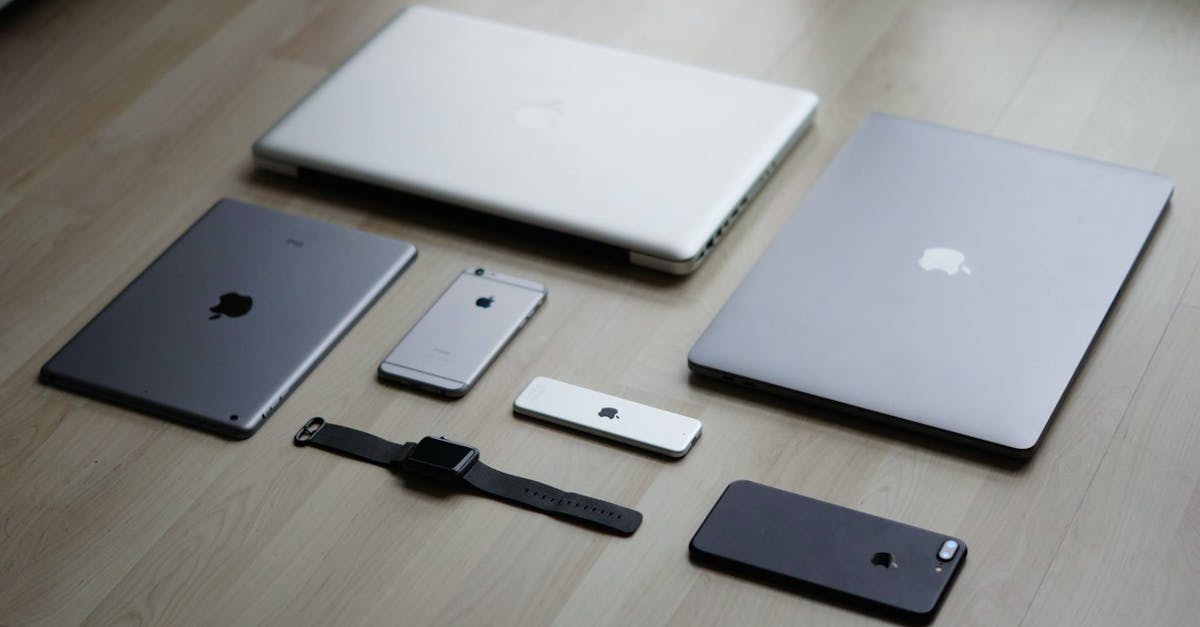
Apple has officially turned 50. The company, founded in 1976, marks one of the most significant milestones in modern technology history. From early personal computers to today’s ecosystem of devices and services, Apple has maintained consistent influence over consumer technology and software design.
Timeline of Growth
Apple started with the Apple I, a basic computer designed for hobbyists. It quickly moved to the Apple II, which became one of the first mass-market personal computers.
Key transitions:
- 1984: Macintosh introduced graphical user interface
- 2001: iPod reshaped digital music consumption
- 2007: iPhone redefined smartphones
- 2010: iPad expanded tablet computing
- 2020+: Shift to custom silicon (M-series chips)
The company moved from hardware-focused innovation to full ecosystem control, combining hardware, software, and services.
Current Position
Apple is now one of the most valuable companies globally. Its core revenue streams include:
- iPhone lineup
- Mac and iPad devices
- Services (iCloud, App Store, subscriptions)
The transition to in-house silicon improved performance efficiency and reduced reliance on third-party chipmakers. This shift is now a standard case study in vertical integration.
Strategic Focus
Apple’s long-term direction is centered on:
- Privacy-first architecture
- Custom hardware optimization
- Services expansion
- AI and on-device processing
The company continues to avoid aggressive cloud dependency in favor of edge computing and local processing.
Industry Impact
Apple influenced multiple industries simultaneously:
- Personal computing standardization
- Smartphone UX design
- App economy development
- Wearable technology adoption
Its ecosystem model forced competitors to integrate hardware and software more tightly.
What Comes Next
Apple’s next phase is expected to focus on:
- AI integration across devices
- Mixed reality and spatial computing
- Health and biometric technologies
The company’s ability to control both hardware and software remains its strongest competitive advantage.
Conclusion
At 50, Apple remains a dominant force in global technology. Its evolution from a garage startup to a trillion-dollar ecosystem highlights consistent product innovation, strong design philosophy, and long-term strategic execution.
External Source

SiliconeUpdate.com is a technology news platform that publishes updates and informational content related to silicon technology, software, artificial intelligence, and emerging technologies.
All articles published on this platform are attributed to SiliconeUpdate.com instead of individual authors. Content is presented in a neutral, informational format without personal opinions.
—
Content Publishing
SiliconeUpdate.com publishes news and updates based on publicly available information, official announcements, and industry developments. The focus is on clarity, relevance, and timely reporting.
—
Editorial Control
All editorial decisions, updates, and content management are handled at the platform level. No individual human or AI identity is presented as the author of articles.
—
Contact
For editorial communication or general queries, contact:
Email: neemasharma@gmail.com