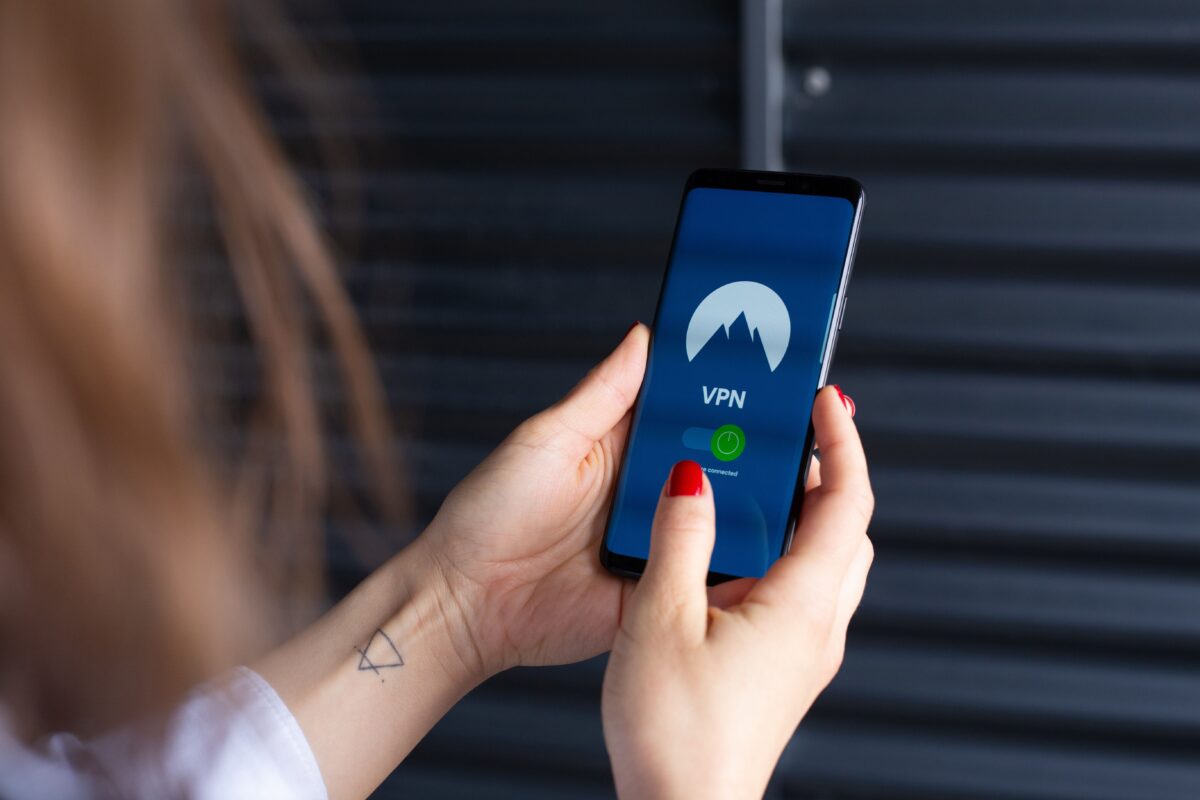
India is reportedly considering a new regulatory framework for Virtual Private Network (VPN) providers as the government looks to strengthen cybersecurity and improve oversight of digital services operating in the country. The proposed measures are aimed at increasing accountability while addressing concerns related to cybercrime, online fraud, and national security.
If implemented, the new rules could significantly change how VPN companies operate in India, especially those offering privacy-focused services.

What Are the Proposed Rules?
According to reports, the government is evaluating regulations that could require VPN providers to establish a physical presence in India and appoint designated compliance officers. These representatives would serve as official points of contact for regulatory authorities and help ensure that companies comply with Indian laws when responding to legal requests.
The proposal is still under discussion, and no final regulations have been announced.
Why Is India Reviewing VPN Regulations?
VPN services encrypt internet traffic and help users protect their privacy while browsing online. They are widely used by businesses, remote employees, developers, researchers, and individuals to secure internet connections, particularly when using public Wi-Fi networks.
However, authorities have raised concerns that encrypted services can also be misused for cyberattacks, financial fraud, ransomware operations, and other illegal activities. The government believes that stronger compliance requirements could improve cooperation during cybersecurity investigations without banning legitimate VPN usage.
Impact on VPN Providers
If the proposed framework is approved, VPN companies operating in India may need to:
- Establish a registered office or legal presence in the country.
- Appoint compliance and grievance officers.
- Respond to lawful government requests under applicable regulations.
- Meet additional cybersecurity and operational requirements.
International VPN providers that currently operate without a local office may need to review their business structure to continue serving Indian users.
What It Means for Users
At this stage, there is no indication that VPN services will be prohibited in India. Most users are expected to continue using VPNs for legitimate purposes such as secure browsing, remote work, online privacy, and business communications.
The proposed changes primarily focus on regulatory compliance rather than restricting access. Any final policy would likely balance user privacy with national cybersecurity objectives.
Current Status
The government has not yet released a draft law or implementation timeline. Discussions remain at an early stage, and further consultations may take place before any official rules are introduced.
Businesses, cybersecurity experts, and VPN providers are expected to closely monitor future announcements, as the regulations could influence how digital privacy services operate in one of the world’s largest internet markets.
Final Thoughts
India’s reported plan to introduce stricter rules for VPN providers reflects the growing importance of cybersecurity as digital services continue to expand. While the proposals are still under consideration, they signal the government’s intention to strengthen oversight of online infrastructure without disrupting legitimate use of privacy technologies. More details are expected if the proposals move toward formal legislation or regulatory guidelines.

SiliconeUpdate.com is a technology news platform that publishes updates and informational content related to silicon technology, software, artificial intelligence, and emerging technologies.
All articles published on this platform are attributed to SiliconeUpdate.com instead of individual authors. Content is presented in a neutral, informational format without personal opinions.
—
Content Publishing
SiliconeUpdate.com publishes news and updates based on publicly available information, official announcements, and industry developments. The focus is on clarity, relevance, and timely reporting.
—
Editorial Control
All editorial decisions, updates, and content management are handled at the platform level. No individual human or AI identity is presented as the author of articles.
—
Contact
For editorial communication or general queries, contact:
Email: neemasharma@gmail.com